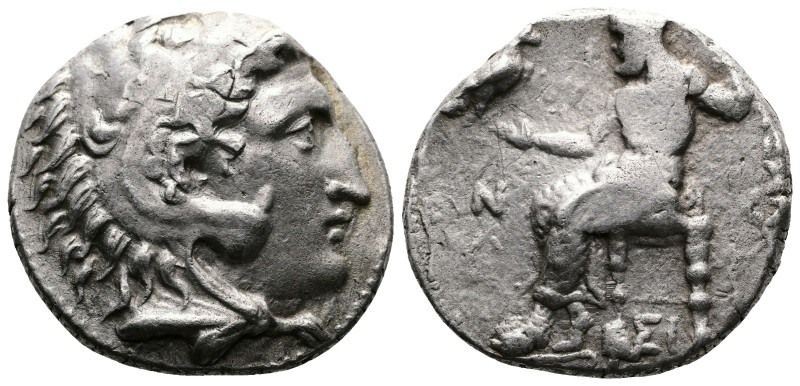
Alexander III “the Great” – AE
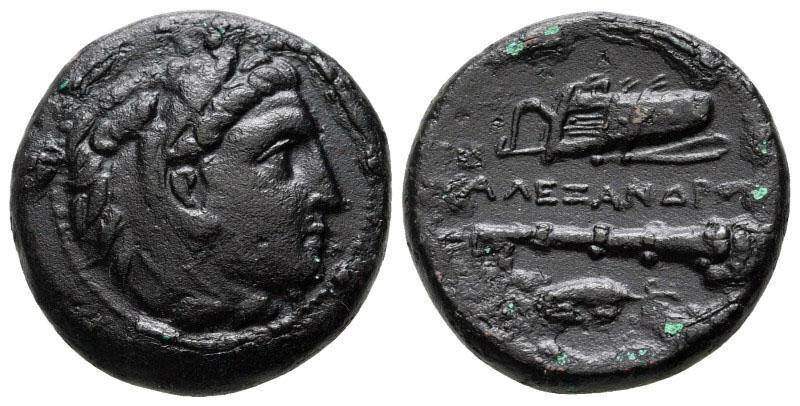
The Alexander III “the Great” Bronze (Price 301) is a rugged, tactile piece of the greatest military expansion in human history. Struck between 336–323 BC—likely at a Macedonian mint like...


Some visitors come looking for a specific emperor. Others arrive curious about a mint they've only read about in history books. Still others drift through without a goal, waiting for something to catch the eye — a profile, a denomination, a fragment of Greek or Arabic script.
This page holds the entire collection in one place, searchable and filterable. Narrow by civilization to move from the Roman Republic to the courts of the Umayyad Caliphate. Filter by denomination to compare the heavy bronze sestertii of the early Empire with the silver-washed antoniniani of the Crisis of the Third Century. Search by mint to trace the coins that emerged from a single city — Antioch, Rome, Alexandria, Tabaristan — and see how one place spoke in metal across the centuries.
Every coin links to its own story. Click through to read about the ruler who commissioned it, the symbolism on its reverse, and the moment in history it was born into.
The Alexander III “the Great” Bronze (Price 301) is a rugged, tactile piece of the greatest military expansion in human history. Struck between 336–323 BC—likely at a Macedonian mint like...
To any collector of the ancient world, the lifetime and early posthumous tetradrachms of Alexander III of Macedon represent the single most successful branding campaign in human history. When you...
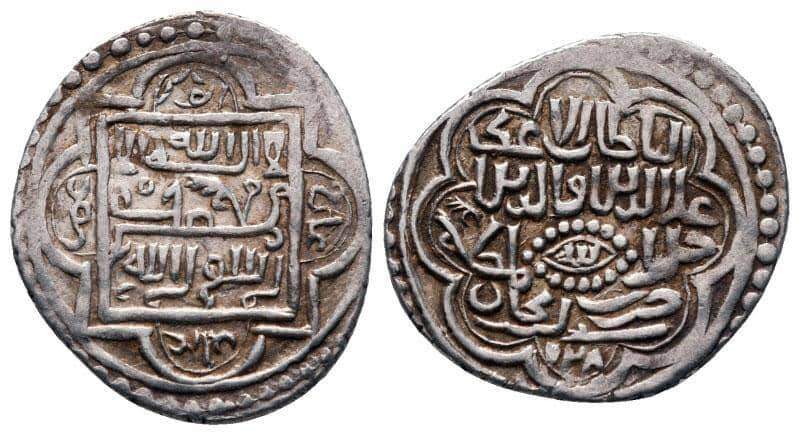
The Ali Beg Silver Akce (Eretnid Beylik, AD 1366–1380) is a rare and mathematically beautiful specimen from the “Age of the Beyliks.” Struck in Central Anatolia, this coin represents the...
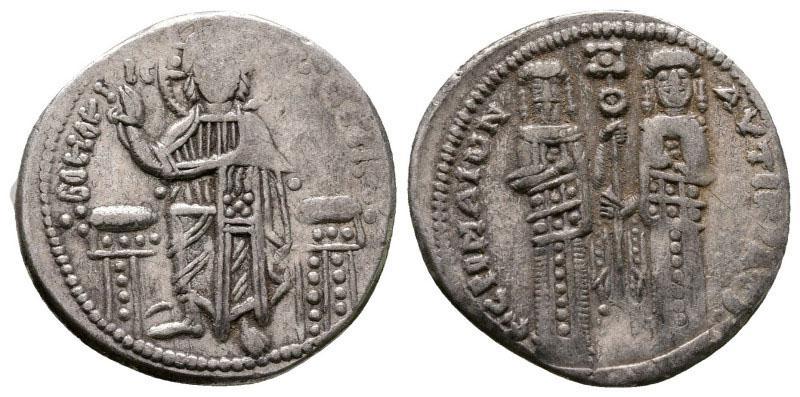
The Andronicus II Basilikon (Sear 2402) is a coin born of a desperate identity crisis. Struck between AD 1304 and 1320, it represents a moment when the Byzantine Empire—the last...
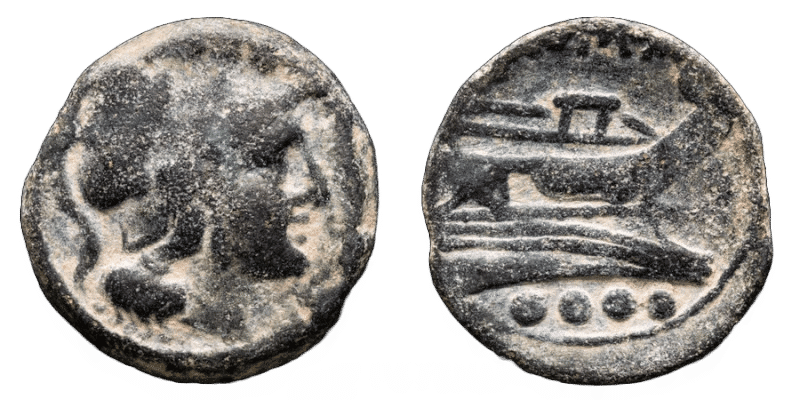
The Anonymous Roman Republic Triens (Crawford 56/4) is a heavy, tactile relic from the era when Rome was transforming from a local Italian power into a Mediterranean superpower. Struck during...
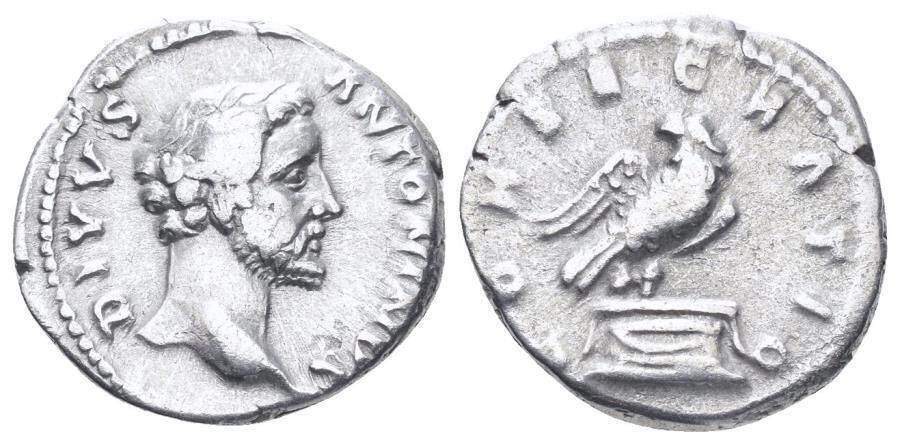
If you are looking for the “Soul of a Coin,” look no further than the Antoninus Pius Denarius (RIC 430-1). This silver piece wasn’t struck during the Emperor’s life, but...
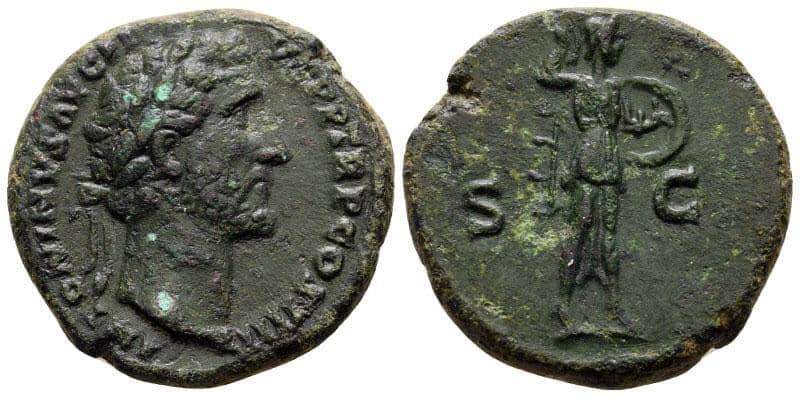
The Antoninus Pius “Minerva the Defender” As (RIC III 826) is a beautiful bronze testament to the Pax Romana at its absolute peak. Struck between AD 145–147, this coin represents...
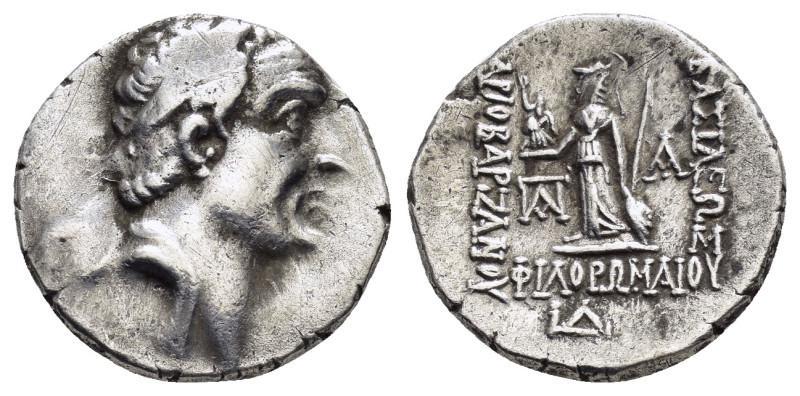
The Ariobarzanes I Philoromaios Silver Drachm (Simonetta 45a) is a high-stakes political document struck in silver. Minted between 96–63 BC at Eusebeia (modern-day Kayseri, Turkey), this coin tells the story...
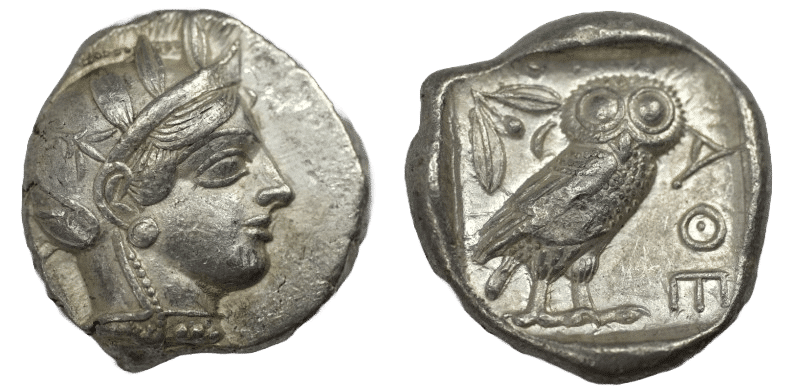
If there is a “holy grail” for every ancient coin collector, the Athenian Owl Tetradrachm (Kroll 8; HGC 4, 1597) is it. This wasn’t just money; it was the “Dollar...
The Augustus As (RIC I 486 / RPC I 2235) is a remarkable example of “transitional” coinage. Struck around 25 BC, it dates to the very infancy of the Roman...
For a collector of the early Roman Empire, the copper As of Augustus, cataloged as RIC 376, represents one of the most significant administrative reforms in numismatic history. Minted in...
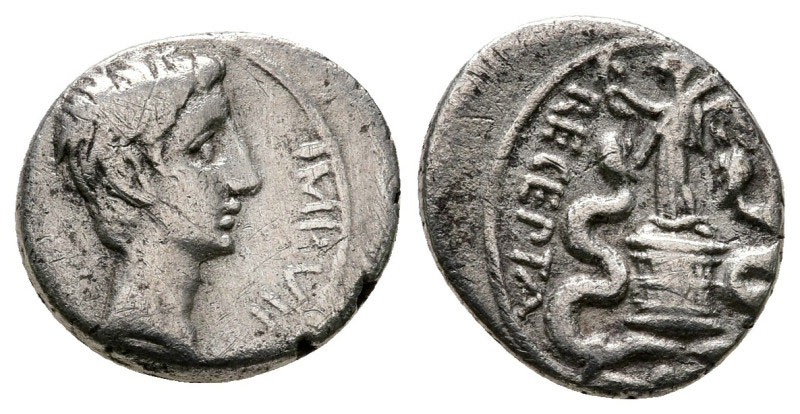
The Augustus “Asia Recepta” Quinarius (RIC I 276) is a masterpiece of political marketing struck in 29–28 BC. This coin doesn’t just represent currency; it represents the exact moment the...
The Aurelian “Jupiter the Conservator” Antoninianus (RIC V 225) is a heavy-hitting piece of military history struck between AD 272–274. Minted in Siscia (modern-day Sisak, Croatia), this coin was a...
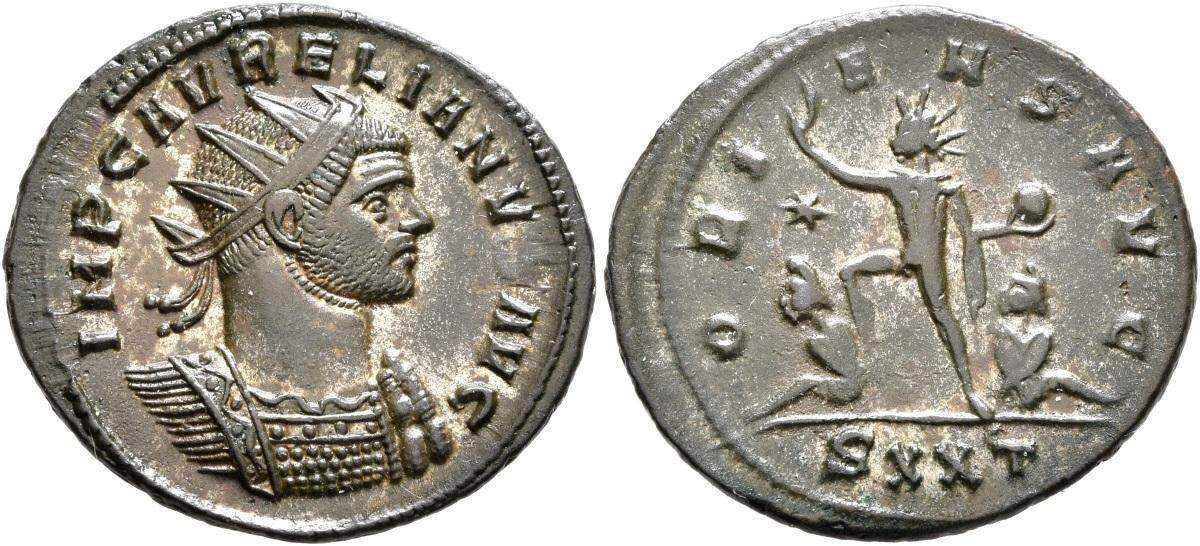
the Aurelian “Rising Sun of the East” Antoninianus (RIC V 151) serves as a powerful silver-washed window into the literal salvation of the Roman Empire. Struck between AD 274–275 in...
The Aurelian Antoninianus (RIC 254) is a quintessential “military” coin, struck during a feverish period of Roman reconstruction. Minted around AD 274–275, it celebrates the climax of Aurelian’s reign: the...
This specific coin, a billon tetradrachm from the Alexandria mint, is a fascinating artifact from one of the most tumultuous and transformative periods in Roman history. Produced during the reign...
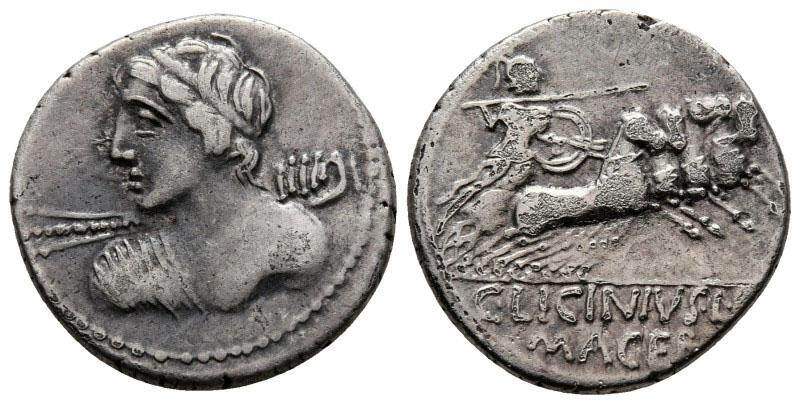
The C. Licinius L. F. Macer “Vejovis” Denarius (Crawford 354/1) is one of the most artistically sophisticated and politically charged silver coins of the late Roman Republic. Struck in 84...
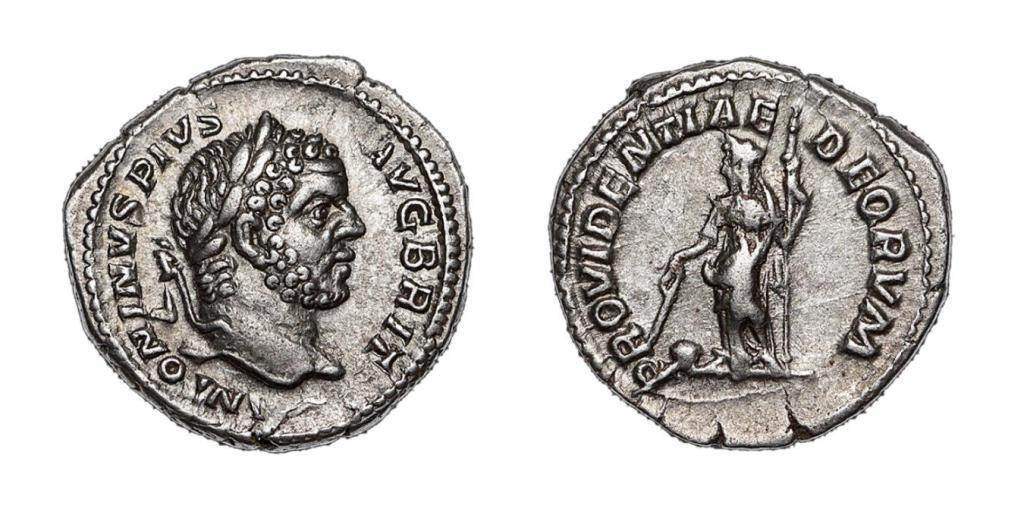
The Caracalla Denarius (RIC 88) is more than just a piece of silver; it is a metallic witness to the transition of the Roman Empire into one of its most...
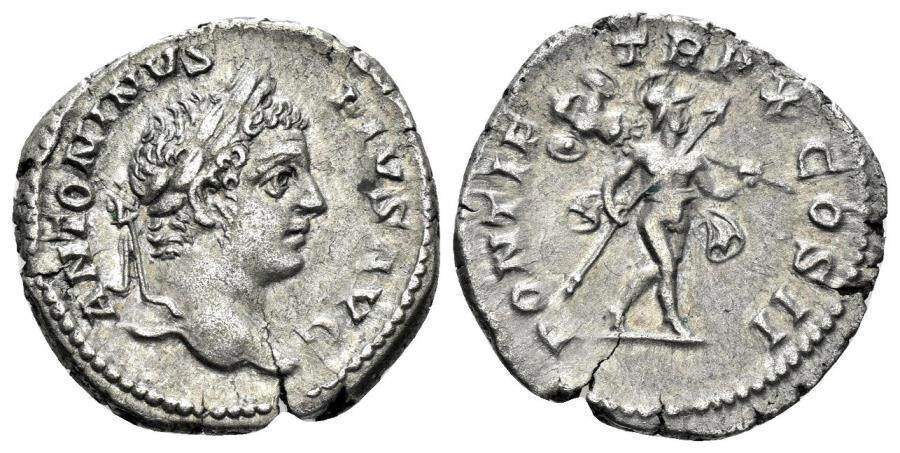
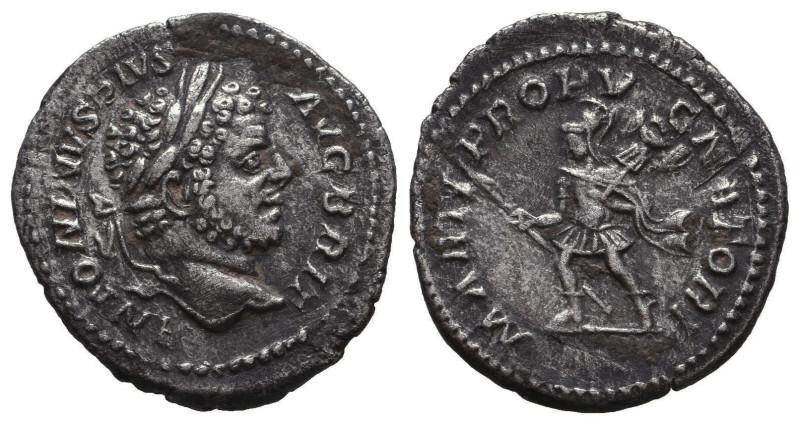
The Caracalla “Mars the Defender” Denarius (RIC IV 223) is a striking piece of silver propaganda from the height of the Severan military autocracy. Struck between AD 210–213, this coin...
If you are looking for a coin that captures the sheer, paranoid energy of a man who ruled by the sword and slept with one eye open, the Caracalla Denarius...
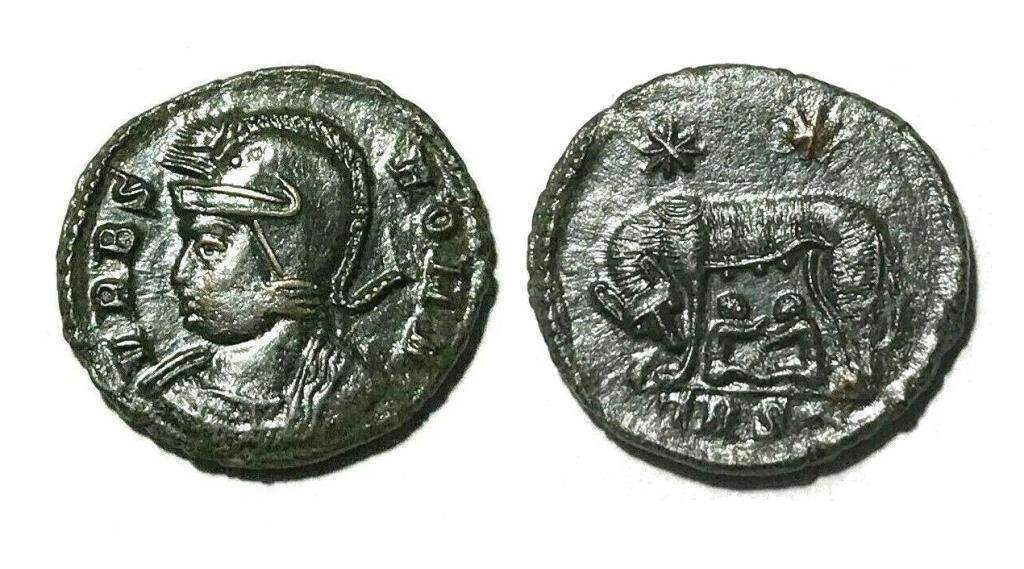
If you are looking for a coin that perfectly captures the “Ancestry and Ambition” of the Roman Empire, the City Commemorative “Urbs Roma” Follis (RIC VII Trier 529) is your...
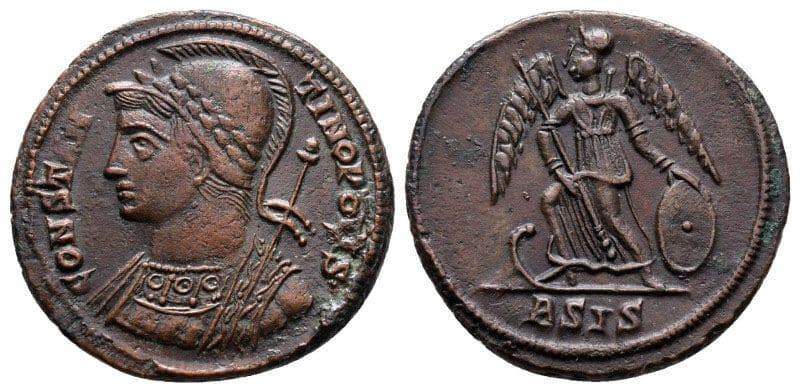
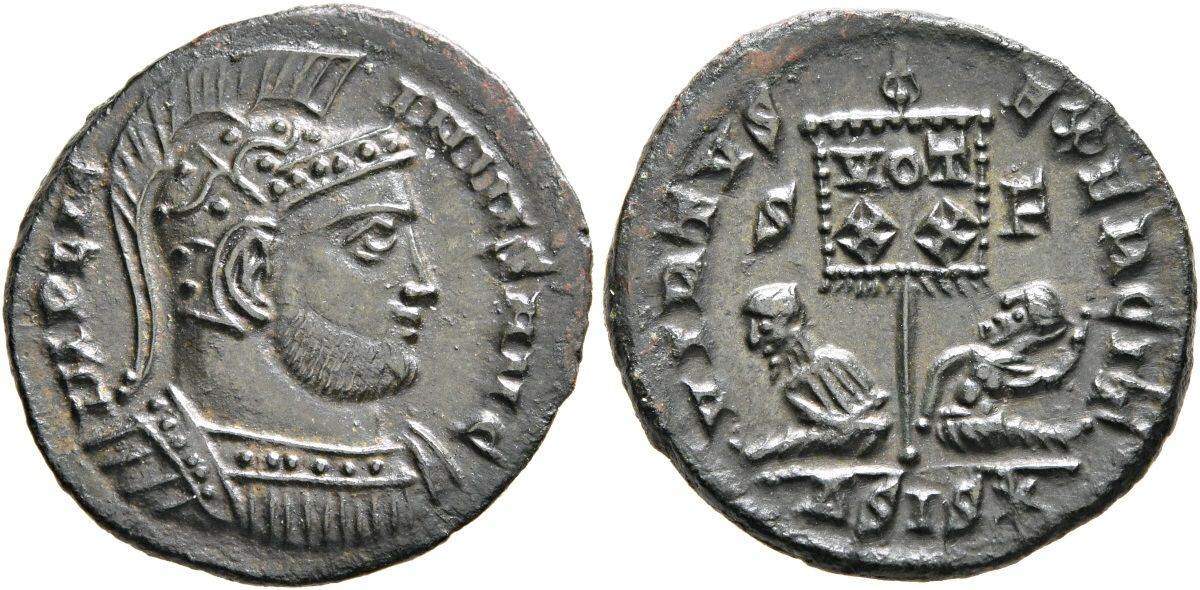
The Constantinopolis City Commemorative (RIC VII Siscia 224/241) serves as a striking bronze window into the architectural and spiritual birth of the “New Rome.” Struck around AD 330–335, this piece...
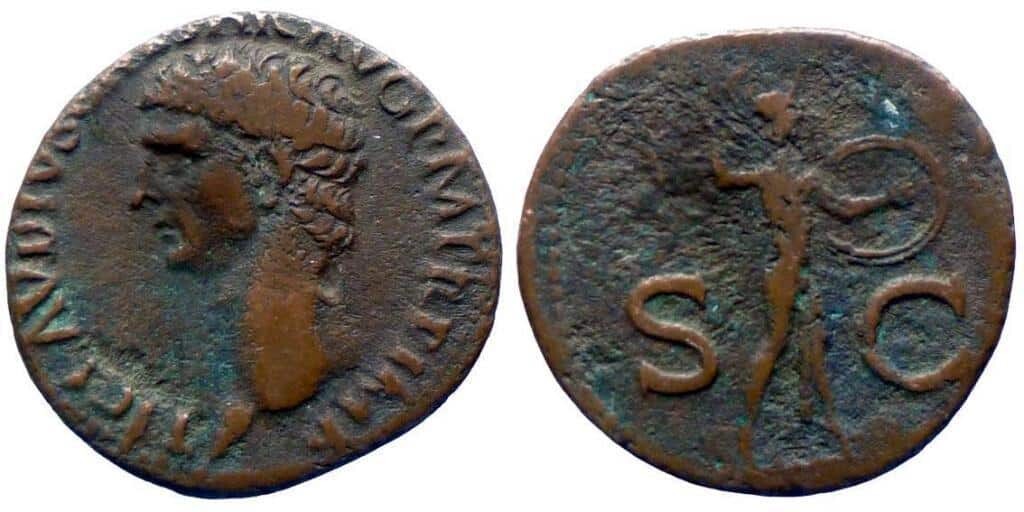
The Claudius I Dupondius (RIC 100) is a classic of the Early Empire, struck between AD 41 and 50. It is a coin that tells the story of an “accidental”...
The Claudius II Gothicus “Concord of the Army” Antoninianus (RIC V 145) serves as a gritty silver-washed window into the “Age of the Soldier-Emperors.” Struck around AD 268–270, this coin...
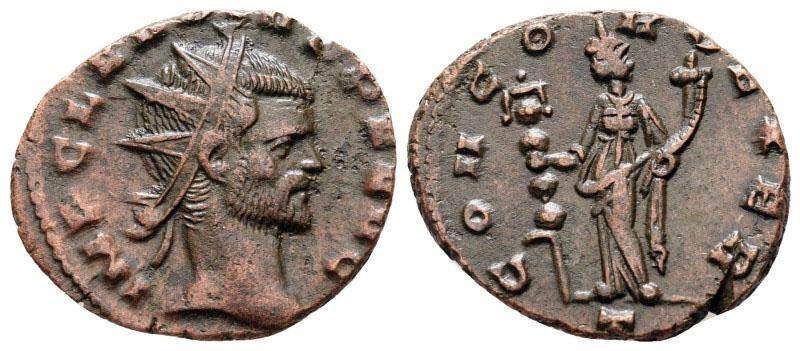
The Claudius II Gothicus “Public Hope” Antoninianus (RIC V 168) serves as a gritty silver-washed window into the “Age of the Soldier-Emperors.” Struck around AD 268–270, this coin was minted...
If you are looking for the “Soul of a Coin” that captures the exact moment the Roman Empire began its long, slow slide from glory into chaos, the Commodus Denarius...
The Commodus “Capricorn of the East” Bronze (RPC IV 3153) is a fascinating provincial issue that blends the raw power of a Roman Emperor with the deep, astrological symbolism of...
The Constans “Hut” Follis (RIC VIII Rome 140) is one of the most evocative and debated pieces of late Roman propaganda. Struck around AD 348–350, this coin was part of...
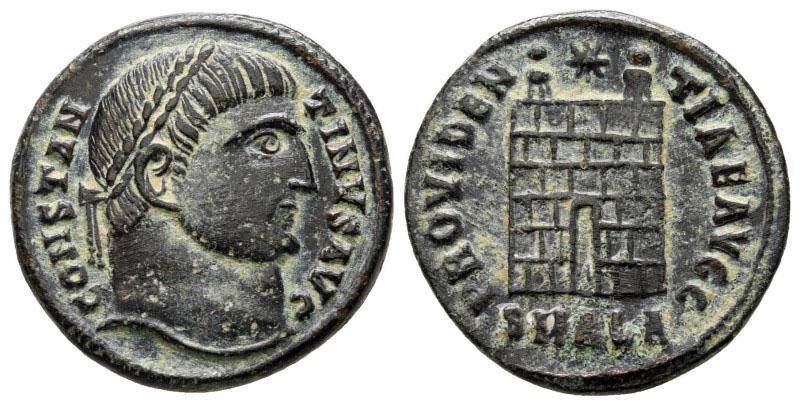
If you’re looking for a coin that represents the “Stone and Mortar” of the Roman Empire, the Constantine I “Campgate” Follis (RIC VII Alexandria 45) is a masterstroke of architectural...
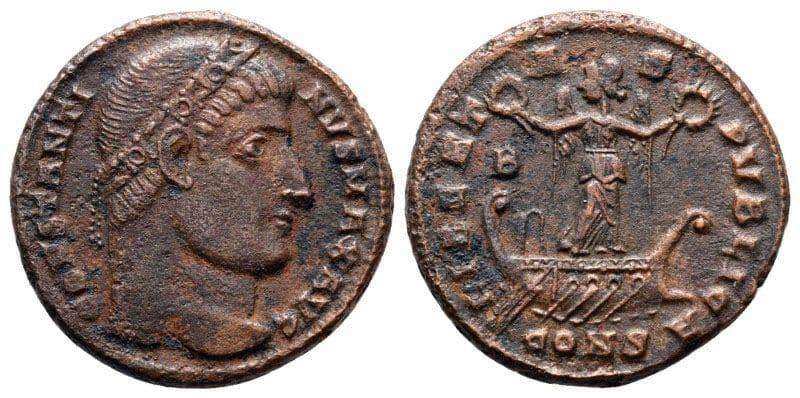
The Constantine the Great “Victory on a Galley” Follis (RIC VII Constantinople 25) is a spectacular maritime monument in bronze, struck between AD 327–328. This coin is more than just...
If you are searching for a coin that represents the “Grand Finale” of Rome’s most transformative figure, the Constantine I “Quadriga” Follis (RIC VIII 4) is a masterclass in celestial,...
The Constantine I “Two Standards” Follis (RIC VII Antioch 86) serves as a striking bronze window into the final, militaristic chapter of the first Christian Emperor’s reign. Struck around AD...
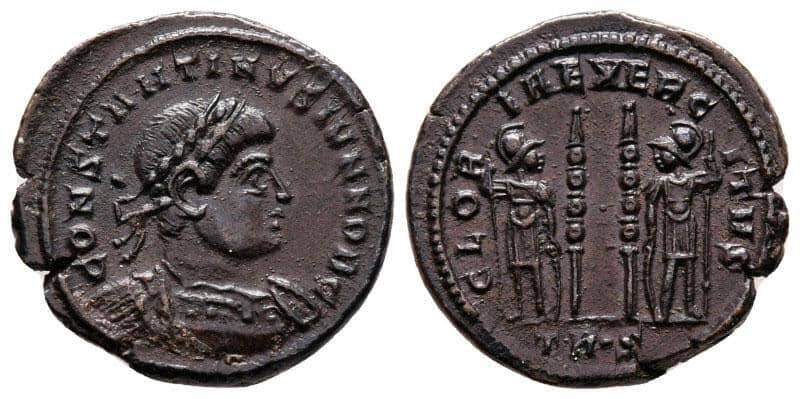
The Constantine the Great “Glory of the Army” Follis (RIC VII Heraclea 116) is a poignant bronze from the final years of the first Christian Emperor. Struck around AD 336–337...
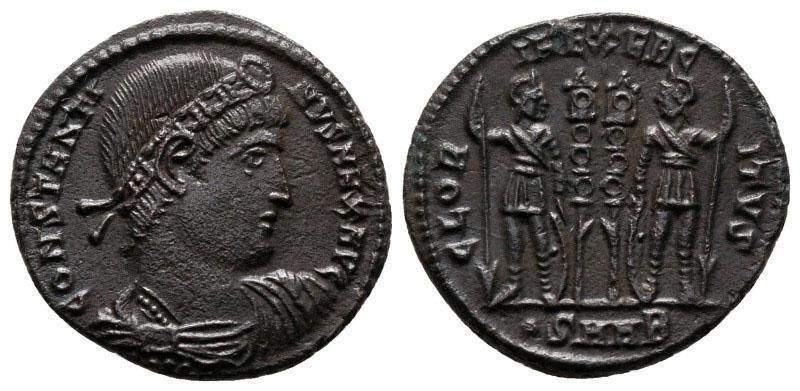
The Constantine II “Glory of the Army” Follis (RIC VII 520 Treveri) is a crisp, bronze window into the final decade of the Constantinian dynasty. Struck between AD 330–335 in...
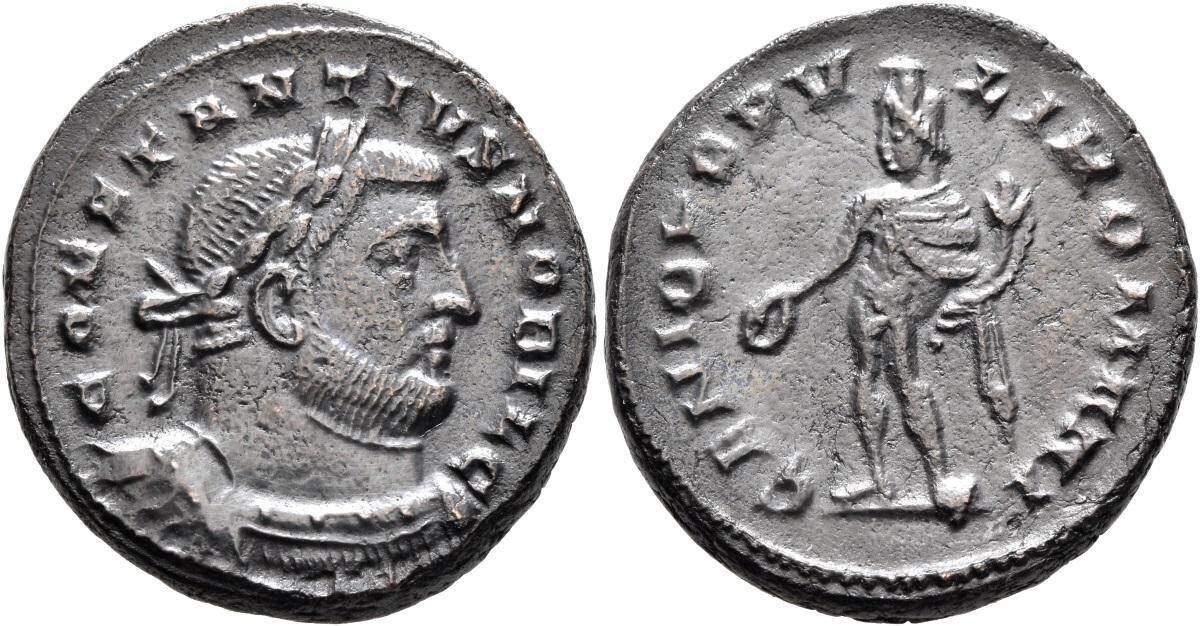
The Constantius I “Genius of Rome” Follis (RIC VI Londinium 14a/17a) serves as a heavy, bronze window into the final successful stabilization of Roman Britain. Struck around AD 297–303, this...
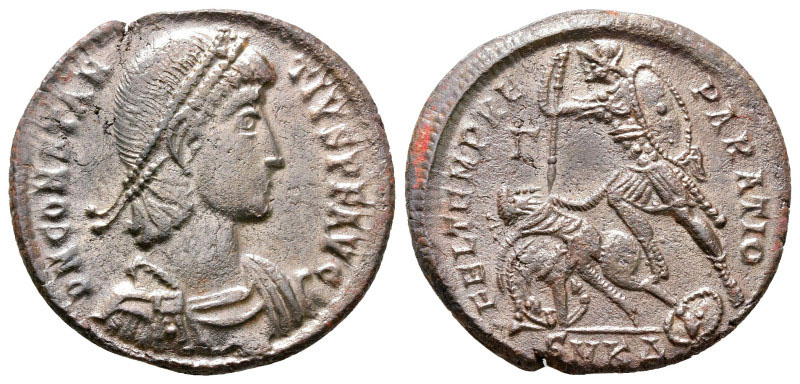
The Constantius II “Fallen Horseman” Follis (RIC VIII Cyzicus 92) is one of the most iconic and visually arresting bronze issues of the late Roman Empire. Struck between AD 351–354,...
If you are searching for a coin that represents the “Eternal Rebirth” of a struggling Empire, the Constantius II “Phoenix” Follis (RIC VIII 129) is a masterclass in mystical, restorative...
The Constantius II “The Triumphant Emperor” Follis (RIC VIII Cyzicus 84) is a powerful piece of mid-4th-century propaganda struck between AD 348–351. This coin was part of the massive FEL...
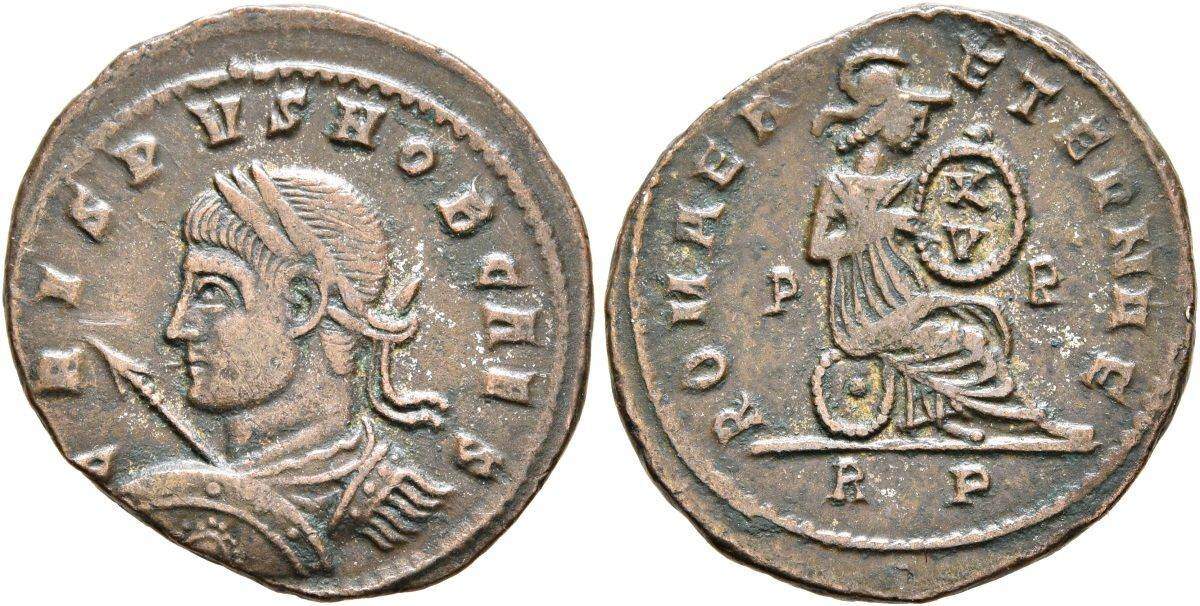
The Crispus “Eternal Rome” Follis (RIC VII Rome 152) is a spectacular and rare bronze issue struck around AD 320. This coin is a masterclass in Constantinian propaganda, combining the...
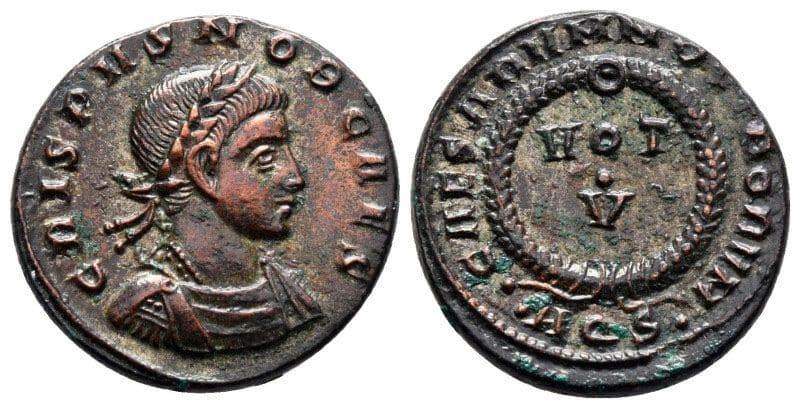
The Crispus “Vows of Ten Years” Follis (RIC VII Aquileia 108) serves as a poignant bronze window into the meteoric rise and tragic fall of Constantine the Great’s eldest son....
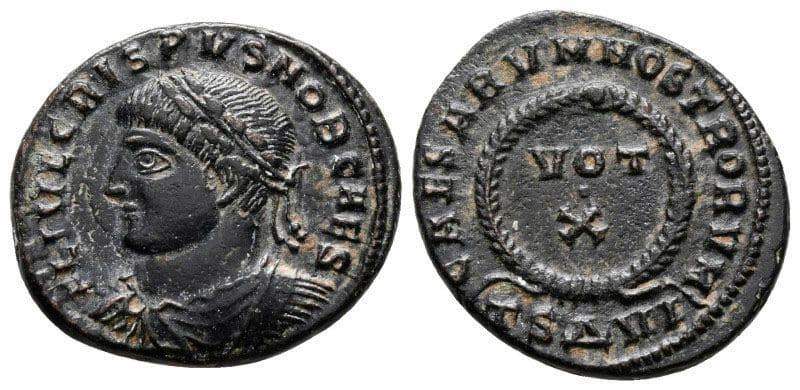
The Crispus “Vows of the Decade” Follis (RIC VII Thessalonica 125) is a poignant and sharply struck bronze issued between AD 320–324. Struck at the strategic Balkan mint of Thessalonica,...
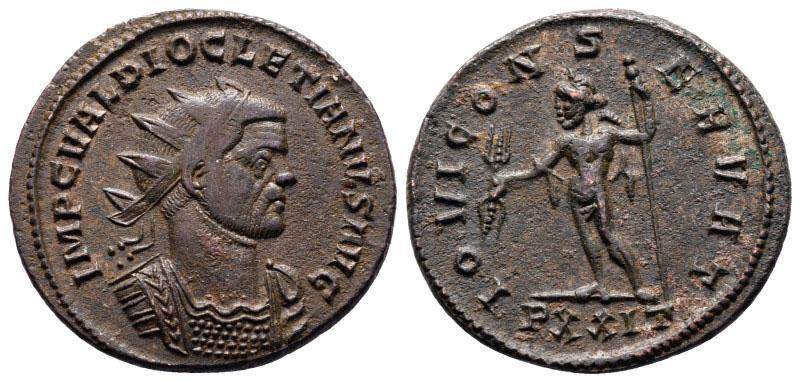
The Diocletian “Jupiter the Conservator” Antoninianus (RIC V 222) is a heavy-hitting piece of political propaganda struck between AD 284–285. Minted at Ticinum (modern Pavia, Italy), this coin represents the...
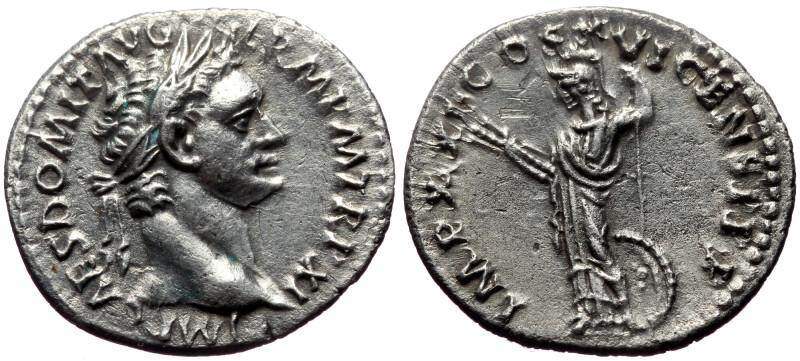
The Domitian “Thunderbolt Minerva” Denarius (RIC II.1 731) serves as a striking silver window into the obsessive, militaristic, and deeply religious mind of the last Flavian Emperor. Struck in AD...
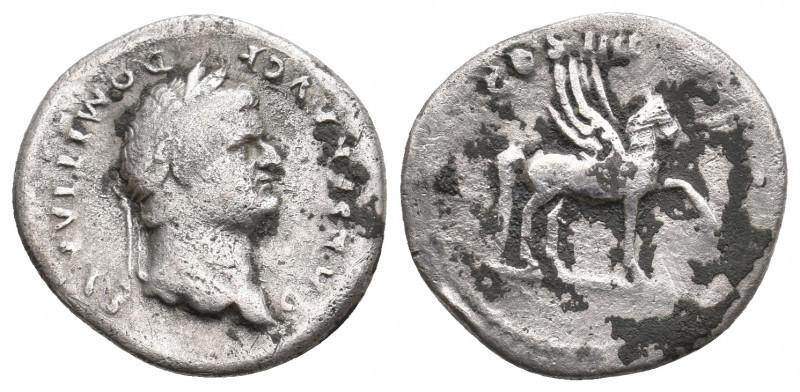
The Domitian “Pegasus” Denarius (RIC II.1 921) serves as a striking silver window into the early, ambitious years of the Flavian dynasty. Struck in AD 76, this coin was minted...
If you are looking for a coin that captures the “Iron Fist” of the Flavian dynasty, the Domitian Dupondius (RIC II.1 754) is a masterclass in imperial branding. Struck in...
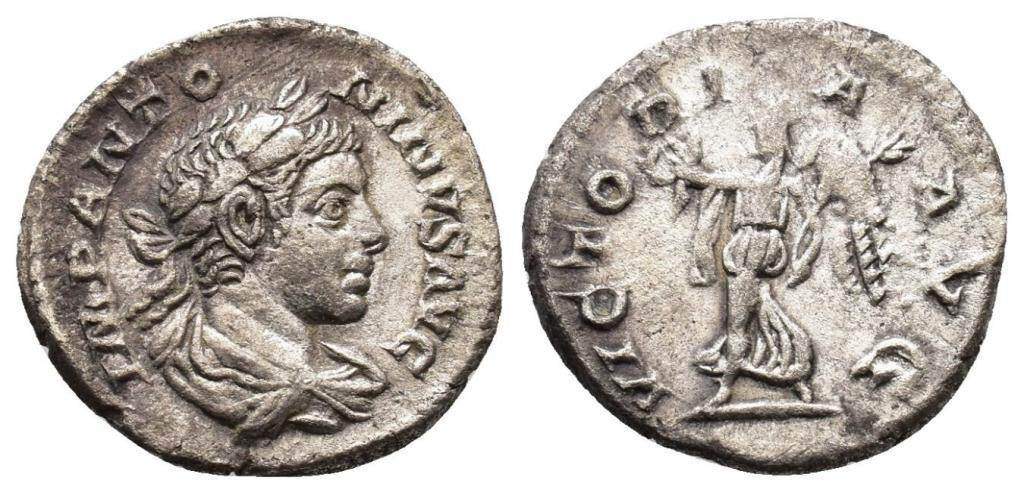
The Elagabalus “Mars the Victor” Denarius (RIC IV 122) serves as a fascinating silver window into one of the most bizarre and tumultuous chapters in Roman history. Struck around AD...
If you are looking for a coin that captures the absolute “Chaos and Cosmos” of the 3rd Century, the Elagabalus Denarius (RIC 162) is a shimmering, silver piece of a...
The Farrukhan Silver Hemidrachm (Year 76 PYE) is a remarkable “time traveler” from the fog-shrouded forests of the Alborz Mountains. Struck around AD 727–728, this coin belongs to the Dabuyid...
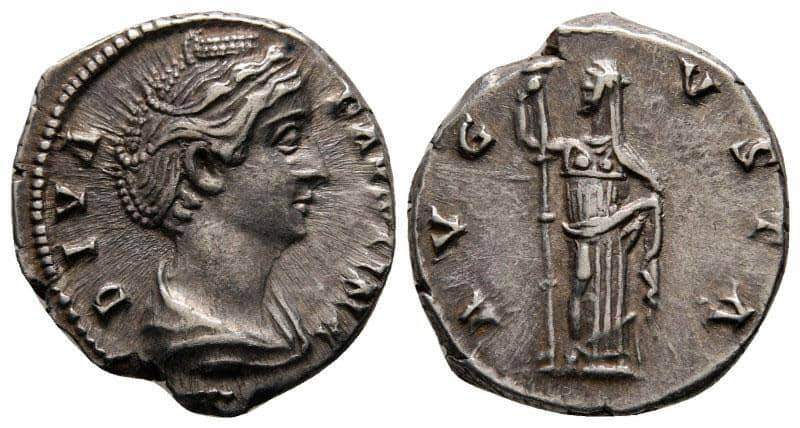
The Diva Faustina I “Ceres” Denarius (RIC III 362) is a poignant silver relic from the “Golden Age” of the Antonines. Struck shortly after AD 141, this coin is part...
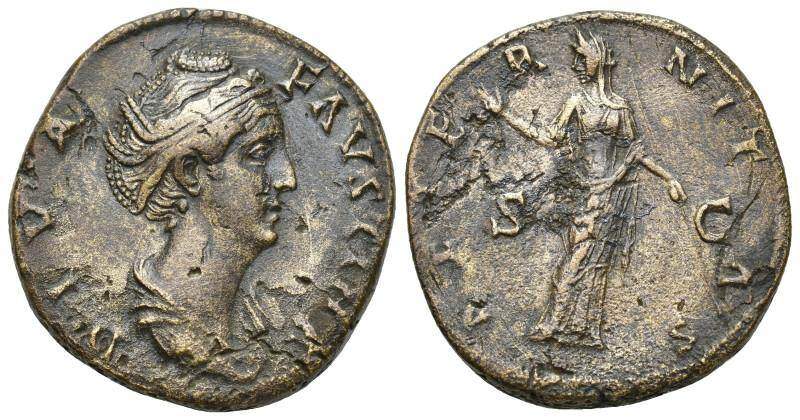
The Diva Faustina I “Eternity” Sestertius (RIC III 1102) is a magnificent, heavy-bronze monument to one of the greatest love stories of the Roman Empire. Struck shortly after AD 141,...
Gemini said The Galerius “Harmony of the Military” Antoninianus (RIC VI 16) serves as a striking silver-washed window into the “New Order” of the late 3rd century. Struck around AD...
The Galerius “Genius of Rome” Follis (RIC VI Treveri 158b) is a heavy, bronze testament to the “Rule of Four”—the Tetrarchy—that saved the Roman Empire from total collapse. Struck around...
The Gallienus “Hercules the Defender” Antoninianus (RIC V 672) is a defiant piece of silver-washed propaganda from the absolute nadir of the 3rd Century Crisis. Struck around AD 260–268 at...
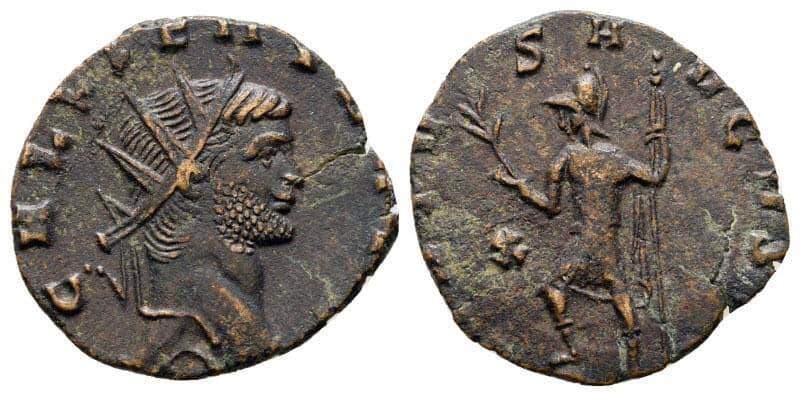
The Gallienus “Virtue of the Emperor” Antoninianus (RIC V 534) serves as a gritty silver-washed window into the “Age of Anxiety.” Struck around AD 260–268, this coin was minted in...
Gemini said The Gallienus “Mercury of the East” Antoninianus (RIC V Gallienus 653) serves as a fascinating silver-washed window into the “Age of the Gallic Breakaway.” Struck around AD 260–268,...
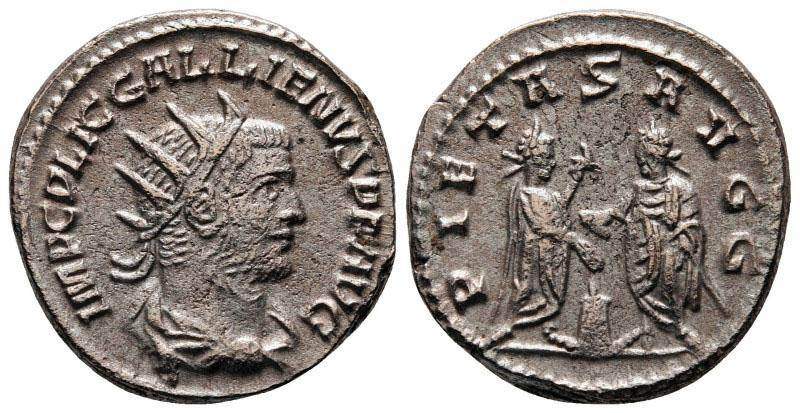
he Gallienus and Valerian “Joint Piety” Antoninianus (RIC V 447) is a haunting silver-washed relic from one of the most precarious moments in Roman history. Struck between AD 255–260 at...
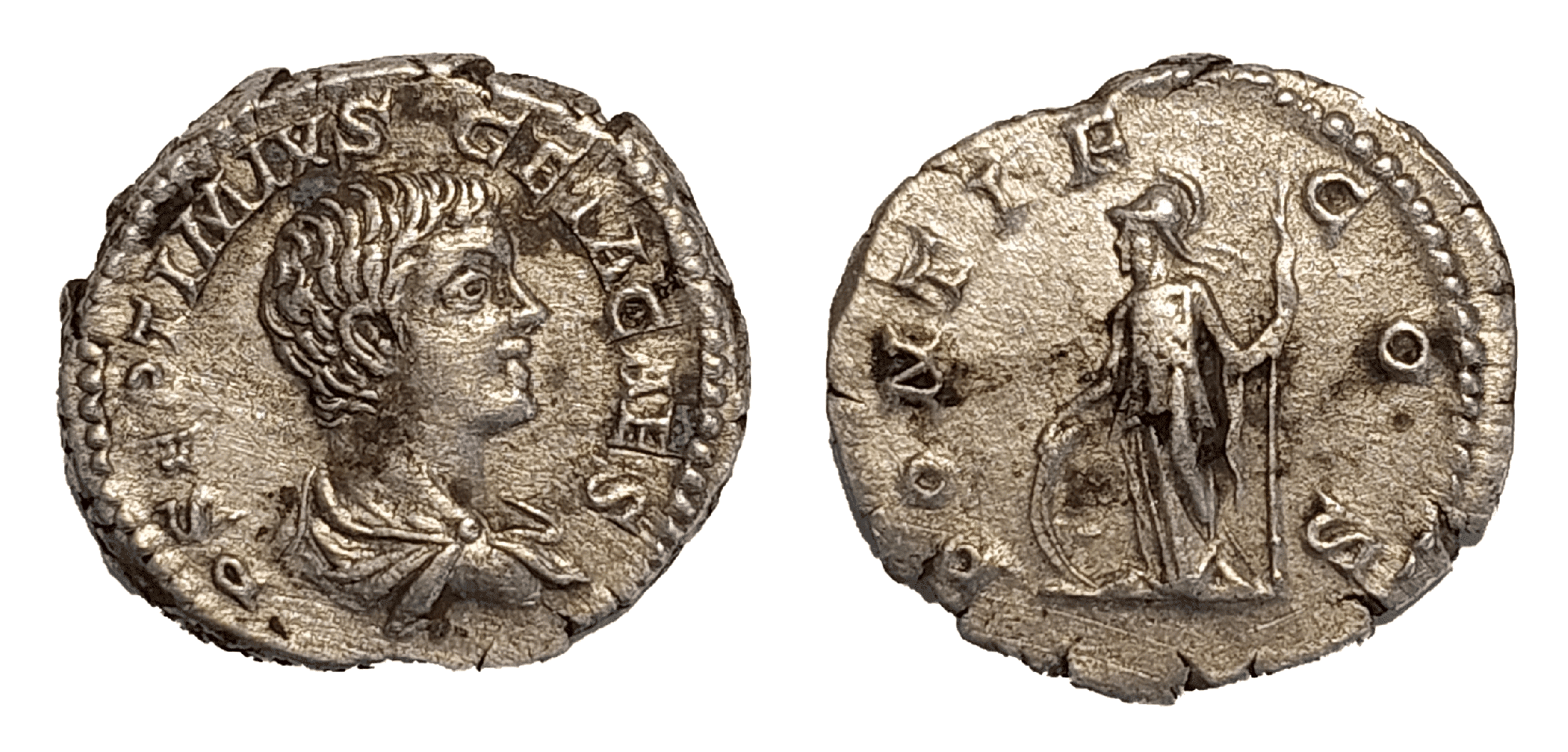
The Geta “Minerva” Denarius (RIC IV 34b) serves as a poignant silver window into the fragile childhood of an Emperor whose life would end in one of Rome’s most infamous...
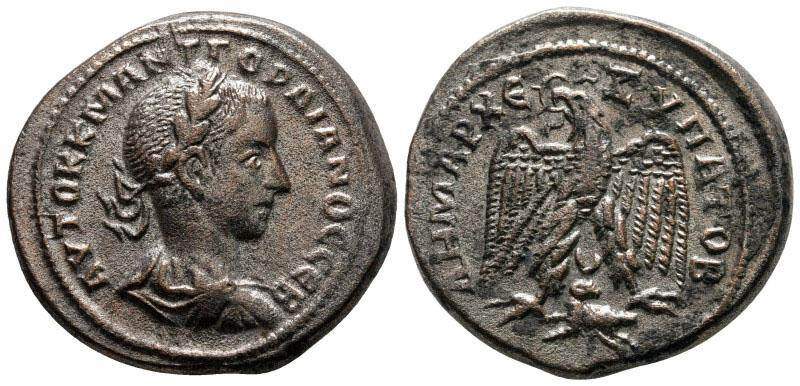
The Gordian III “Ram and Crescent” Tetradrachm (Prieur 298) is a massive, high-relief silver treasure from the Roman East. Struck around AD 241–242 in the legendary city of Antioch ad...
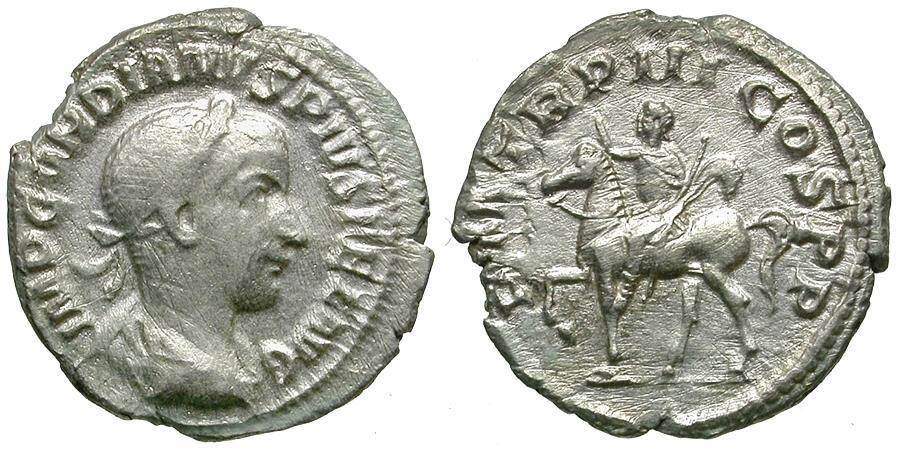
If you are looking for a coin that captures the “Cavalry Charge” of a dying era, the Gordian III Denarius (RIC IV 81) is a high-speed masterpiece. Struck around AD...
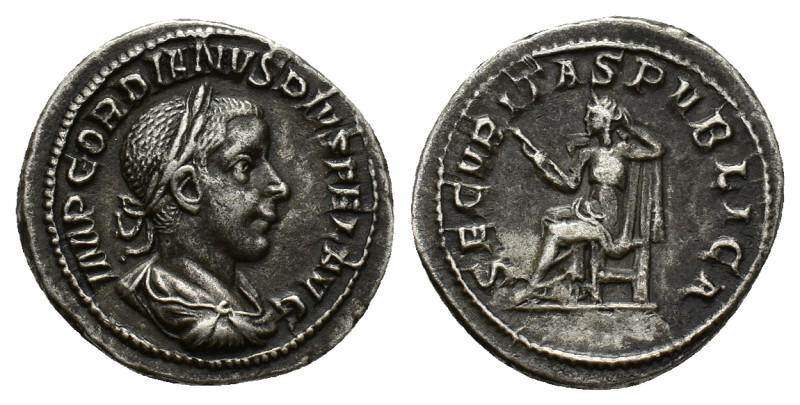
The Gordian III “Public Security” Denarius (RIC IV 130) serves as a poignant silver window into the fragile optimism of the mid-3rd century. Struck around AD 240, this coin features...
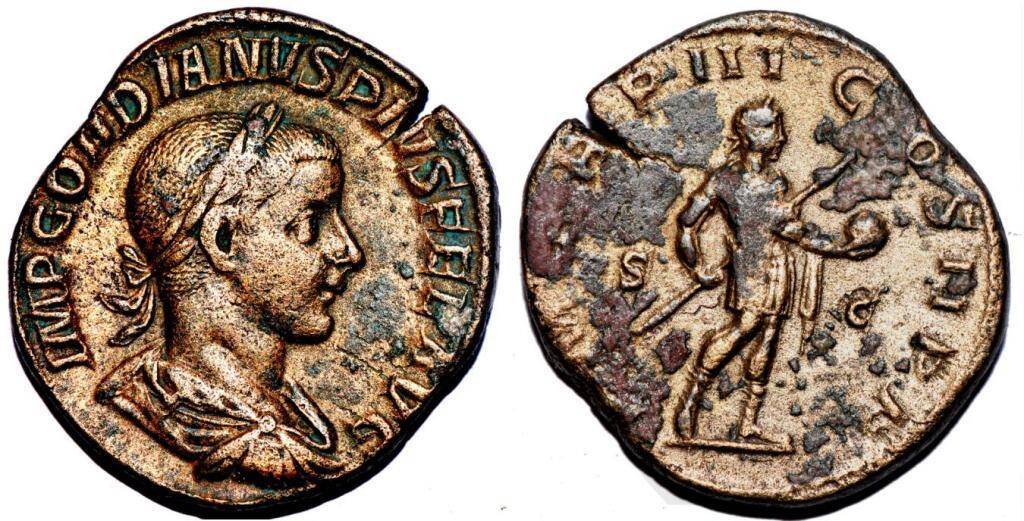
If you are looking for a coin that captures the heartbreaking fragility of the Roman Empire during the Crisis of the Third Century, the Gordian III Sestertius (RIC IV 305a)...
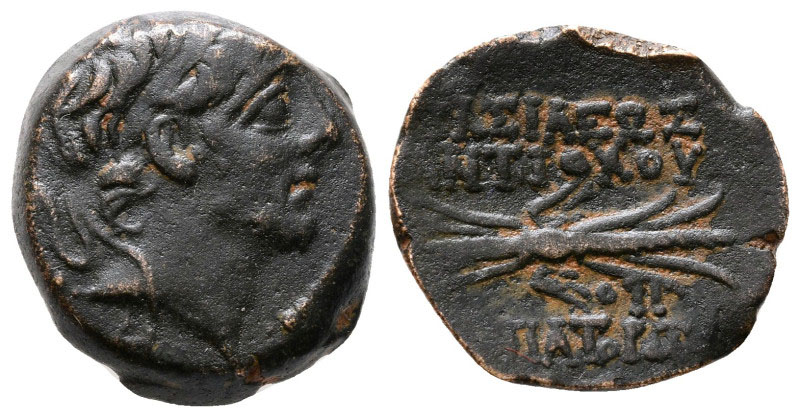
The Antiochos IX “Thunderbolt” Dichalkon (HGC 9, 1248) is a rugged, defiant bronze from the twilight of the Seleucid Empire. Struck between 114–95 BC at the royal mint of Antioch,...
The Corycus “Hermes the Merchant” Bronze (SNG France 1086-1093 var.) is a brilliant piece of maritime history from the rugged coast of Cilicia (modern-day Turkey). Struck during the 1st century...
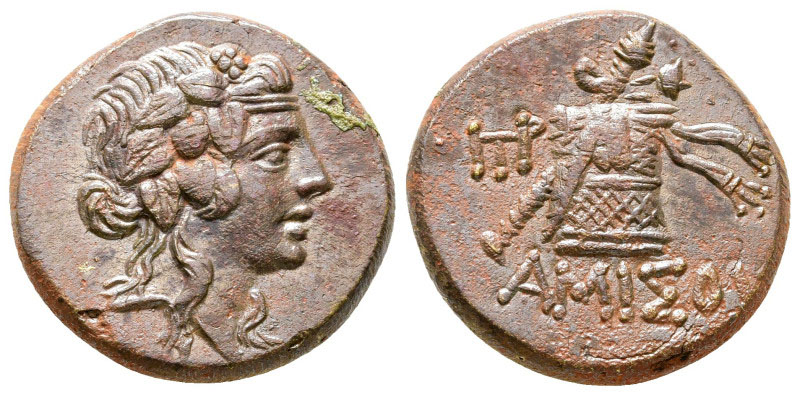
The Amisos “Cista Mystica” Bronze (SNG Black Sea 1200) is a powerful piece of visual warfare from the Kingdom of Pontos. Struck between 120–63 BC at the thriving port of...
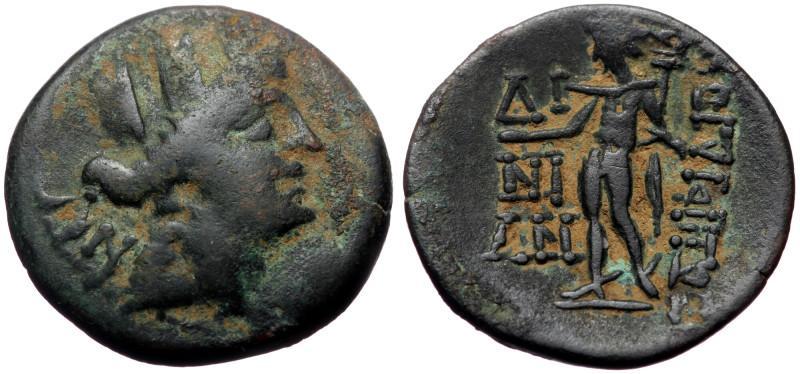
The Antioch “Zeus Nikephoros” Bronze (HGC 9, 1370-1) is a heavy, authoritative piece of civic history from the “Golden City” of the East. Struck during the 1st century BC at...
The Thessalian “Butting Bull” Bronze (SNG Copenhagen 27) is a rugged, spirited piece of regional history from the heart of ancient Greece. Struck between 400–344 BC at the river-city of...
The Larissa Silver Trihemiobol (BCD Thessaly II 341) is a masterpiece of Greek miniature art. Struck between 365–320 BC, this coin represents the high-water mark of the “Fine Style” in...
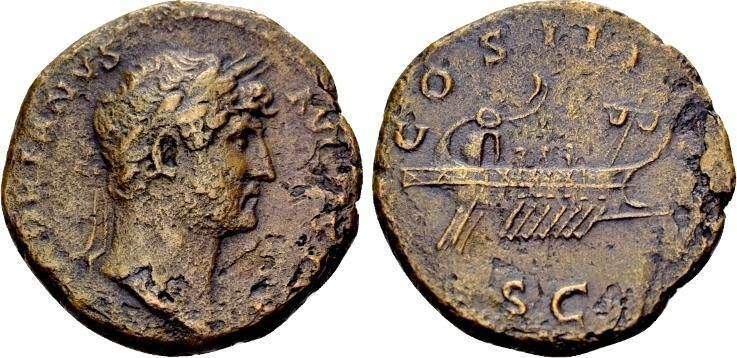
If you are looking for the “Soul of a Coin” that perfectly captures the personality of Rome’s most restless ruler, this Hadrian “Galley” As (RIC II.3 2341 / RIC 674)...
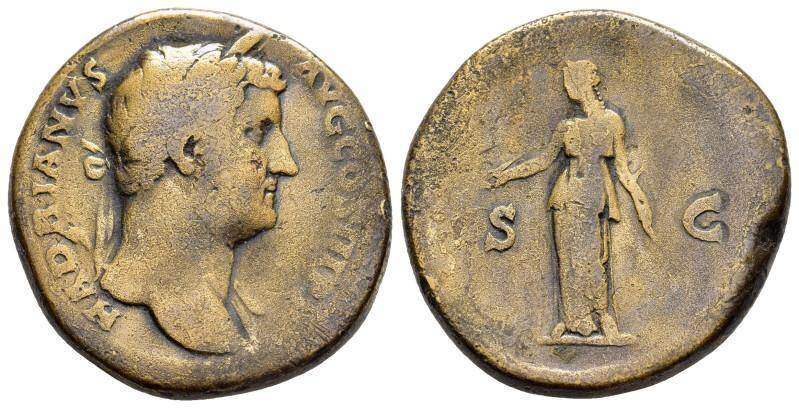
The Hadrian “Diana the Huntress” Sestertius (RIC II 2398) serves as a heavy, bronze testament to an Emperor who was as much a restless traveler and woodsman as he was...
The Hisham ibn Abd al-Malik Umayyad Dirham (AH 105–125 / AD 724–743) is a striking silver witness to the high-water mark of the first great Islamic empire. Struck during the...
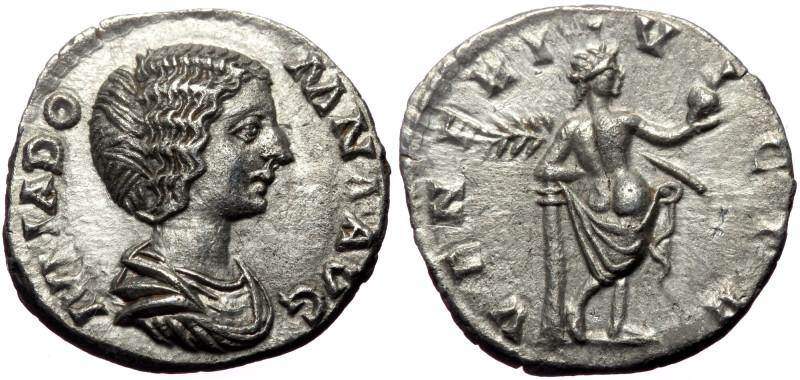
The Julia Domna Denarius (RIC IV 536) is a masterpiece of Severan propaganda, struck between AD 193 and 196. It represents a high point in Roman engraving and a bold...
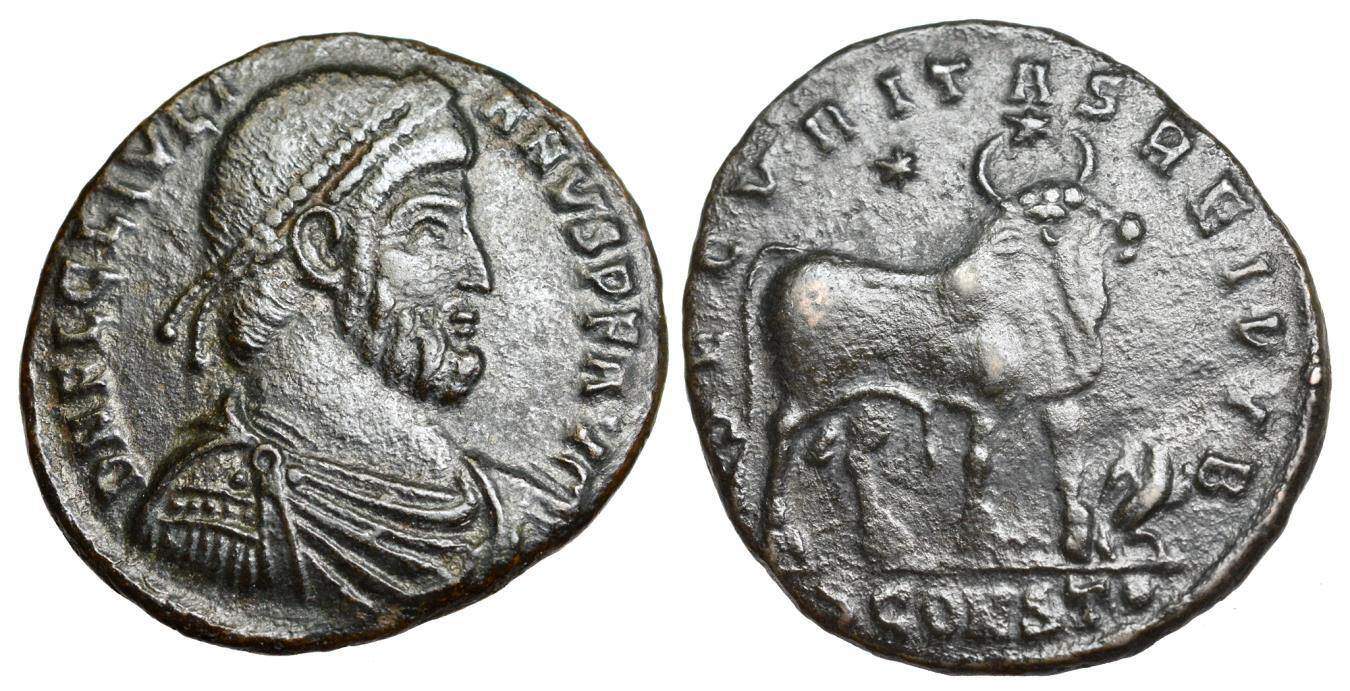
If you are looking for a coin that represents a “Last Stand” against the tide of history, the Julian II “The Apostate” Maiorina (RIC VIII Antioch 216 / RIC 320)...
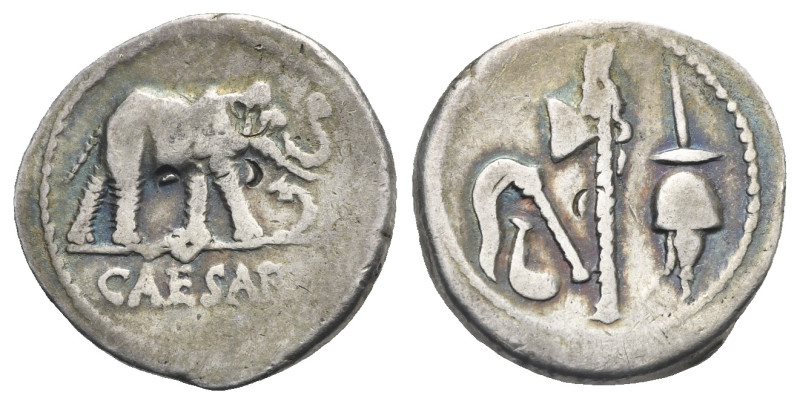
When you hold a Julius Caesar Elephant Denarius (Crawford 443/1), you aren’t just holding silver; you are holding the very spark that ignited the Roman Empire. Struck in 49–48 BC,...
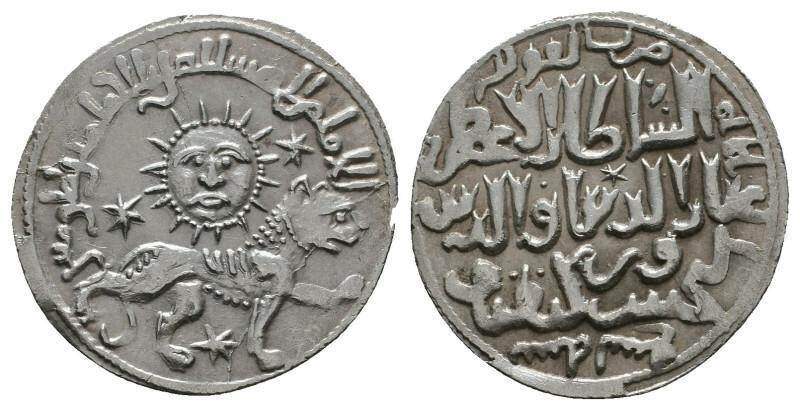
Imagine holding a piece of silver that captured the collision of the Islamic world, the Mongolian storm, and the ancient mysticism of the Silk Road. The Lion and Sun Dirham...
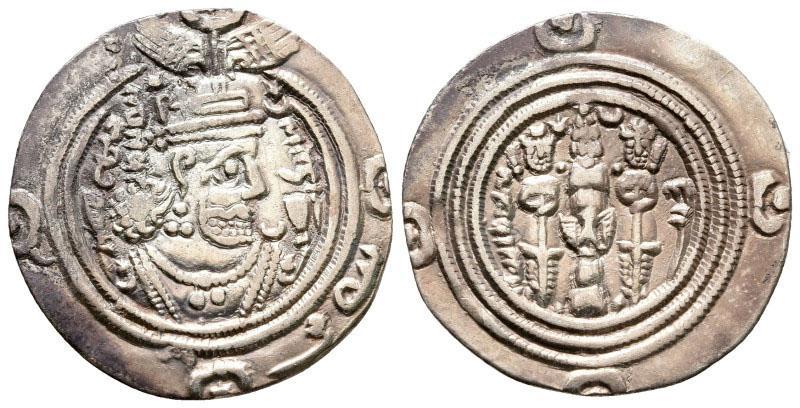
The Khusro II Silver Drachm (AD 590–628) is a massive, shimmering piece of imperial history from the final glorious chapter of the Sasanian Empire. Struck during the reign of the...
f you are looking for a coin that perfectly captures the “Puns and Politics” of the Roman Republic, the L. Antestius Gragulus Denarius (Syd 451 / Crawford 238/1) is a...
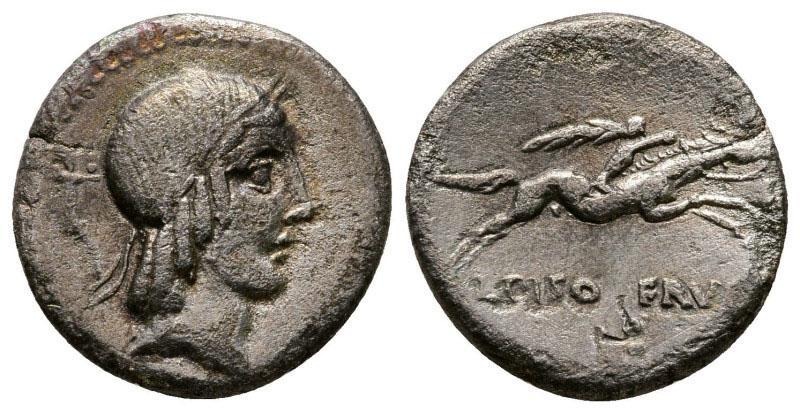
The L. Calpurnius Piso Frugi Denarius (Crawford 340/1) is one of the most iconic and energetic silver issues of the Roman Republic. Struck in 90 BC, this coin is a...
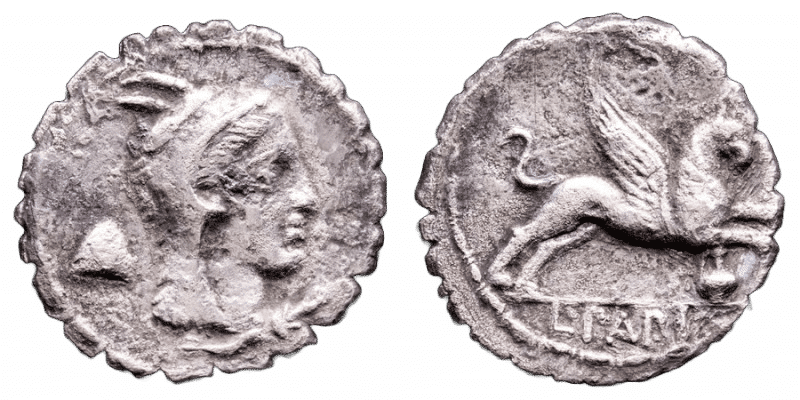
The L. Papius “Juno Sospita” Denarius (Crawford 384/1) is a masterpiece of the Roman Republic’s “Serrate” series, struck in 79 BC. This coin is a favorite among specialists not just...
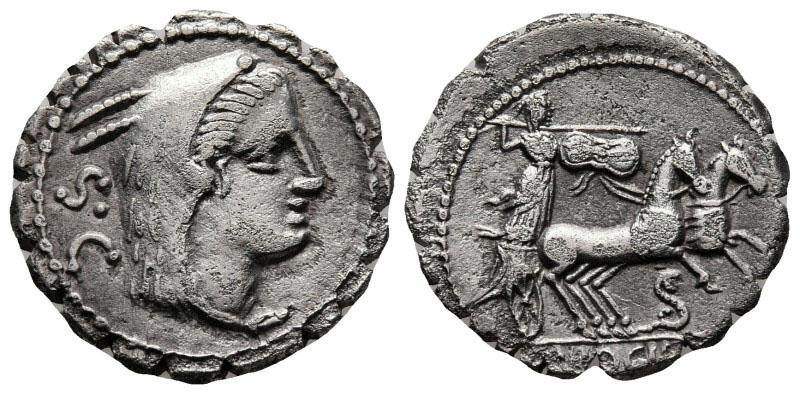
The L. Procilius “Juno Sospita” Denarius (Crawford 379/2) is a high-octane masterpiece of the Roman Republic, struck in 80 BC. This coin is a favorite among specialists for its dynamic...
f you’re looking for a coin that perfectly captures the “Secret Societies and Sacred Oaths” of the Roman Republic, the L. Rubrius Dossenus Denarius (Syd 705 / Crawford 348/1) is...
The Levon I Silver Tram (Bedoukian 123) is a magnificent piece of medieval artistry from the Armenian Kingdom of Cilicia. Struck between AD 1198–1219, this coin marks the “Golden Age”...
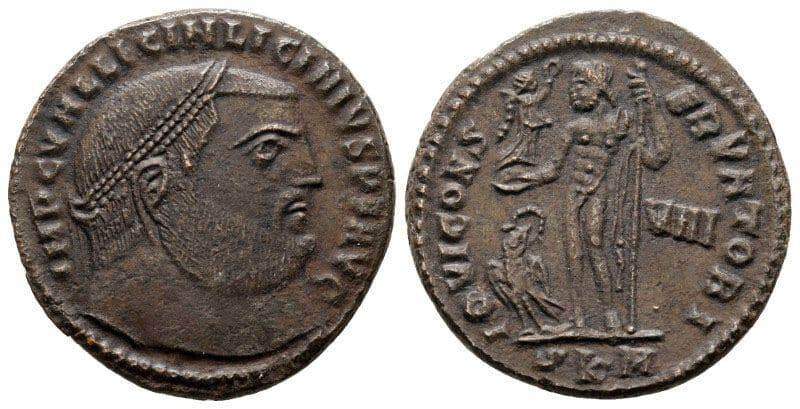
The Licinius I “Jupiter the Preserver” Follis (RIC VII Cyzicus 3) serves as a striking bronze window into the high-stakes theological Cold War of the 4th century. Struck around AD...
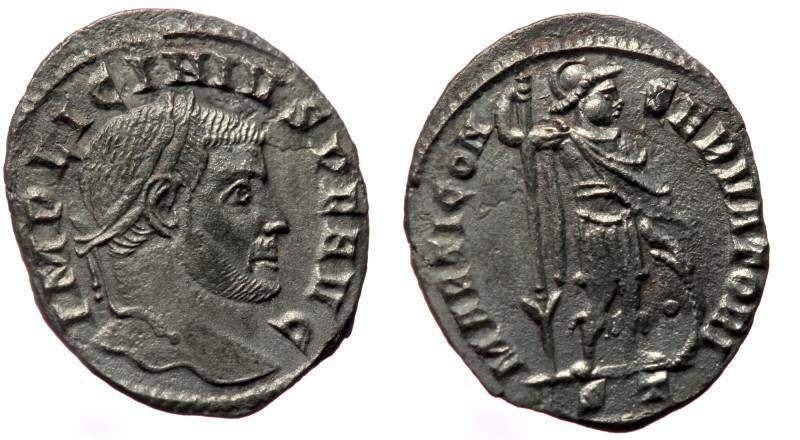
The Licinius I “Mars the Conservator” Follis (RIC VI Ticinum 121a/124a) serves as a striking bronze window into the final, fractured years of the Roman Tetrarchy. Struck around AD 310–311,...
The Licinius I “Vows of the Army” Follis (RIC VII Siscia 110) is a fascinating relic of a world on the brink of civil war. Struck around AD 320 at...
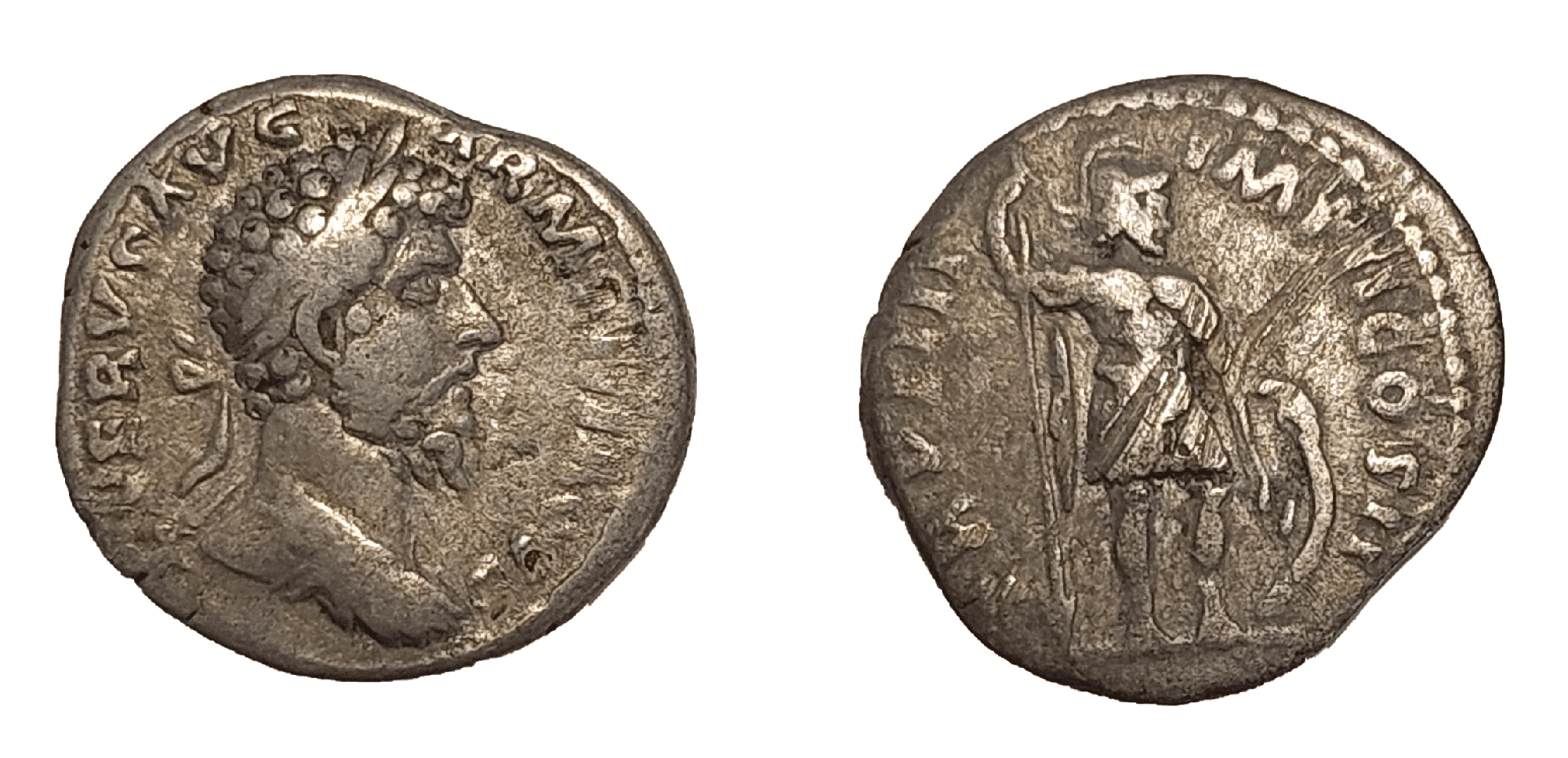
The Lucius Verus “Mars the Avenger” Denarius (RIC III 515) serves as a striking silver window into the high-stakes military theater of the mid-2nd century. Struck in AD 164, this...
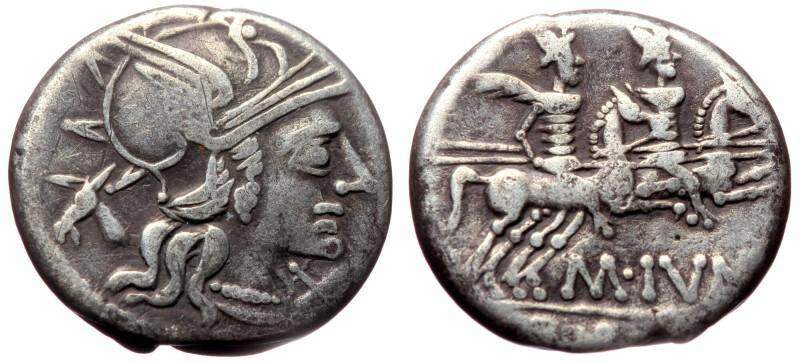
The M. Junius Silanus Denarius (RRC 228/1) serves as a striking silver window into the competitive, high-stakes world of the Roman Republic. Struck around 145 BC, this piece captures a...
The M. Servilius C. f. “Combat Denarius” (Crawford 327/1) is one of the most action-packed and genealogically significant silver coins of the Roman Republic. Struck in 100 BC, this denarius...
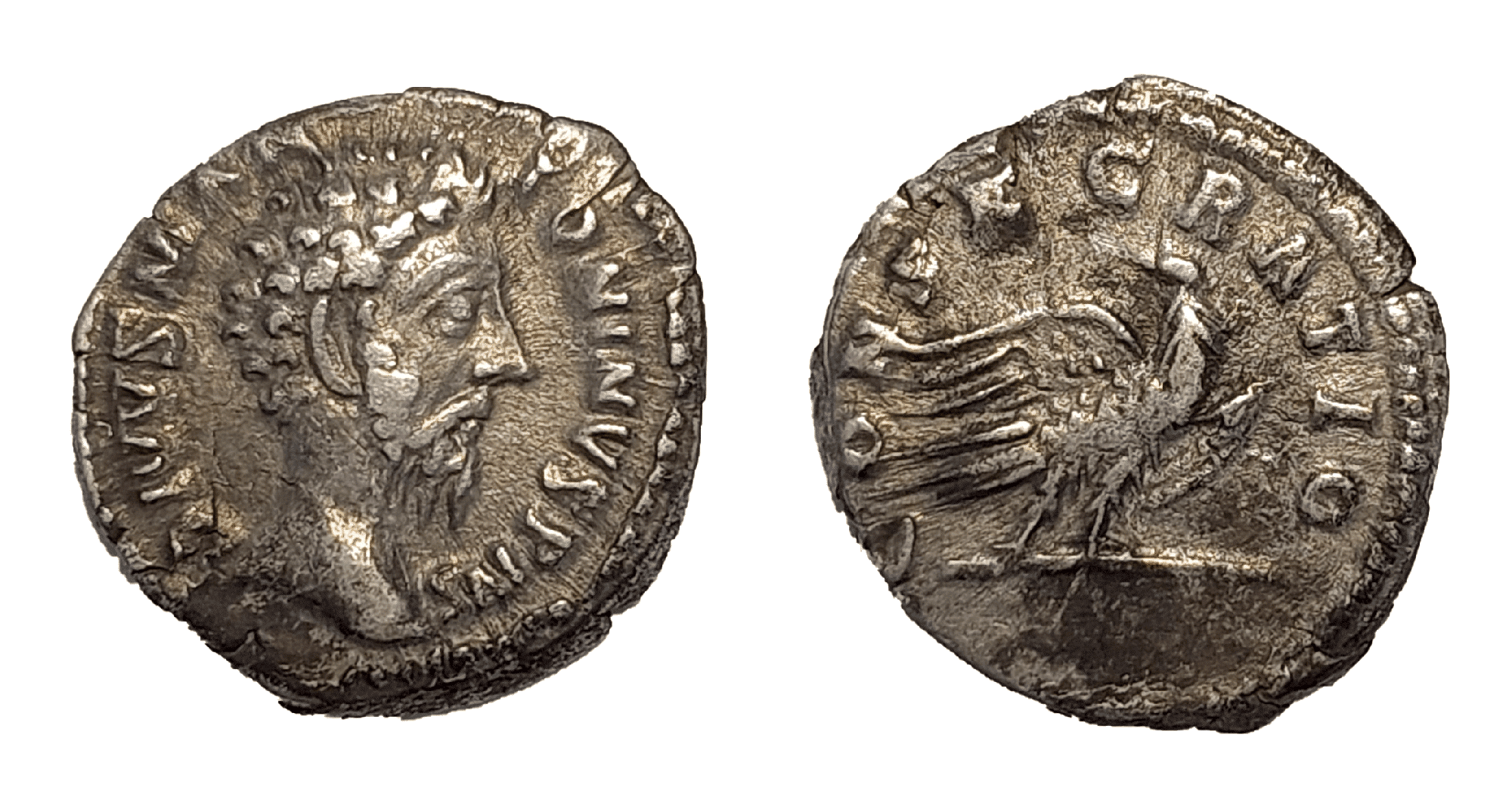
If you are searching for a coin that represents the “Passing of a Golden Age,” the Marcus Aurelius “Consecratio” Denarius (RIC III 664) is a masterclass in somber, transcendental propaganda....
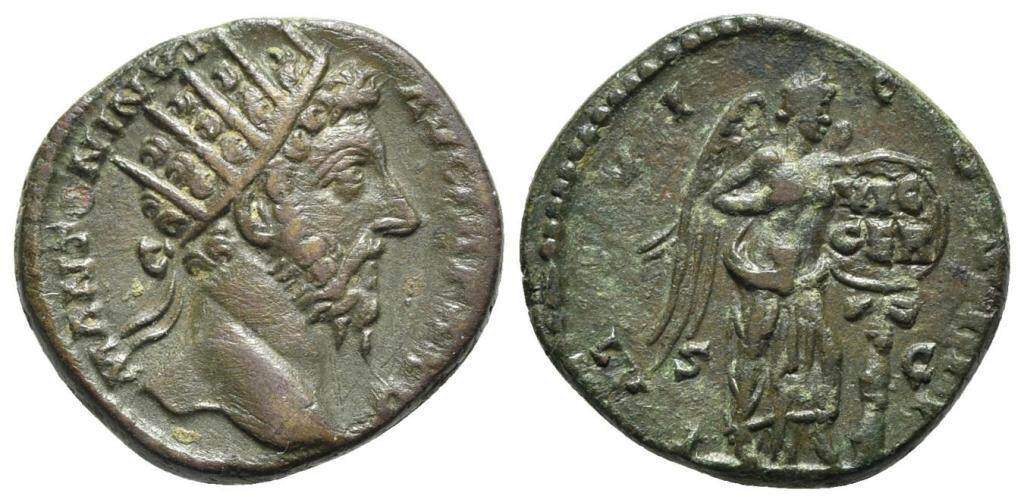
The Marcus Aurelius Dupondius (RIC III 1002) is a striking piece of military propaganda from the “Golden Age” of the Roman Empire. Minted between AD 170 and 171, it marks...
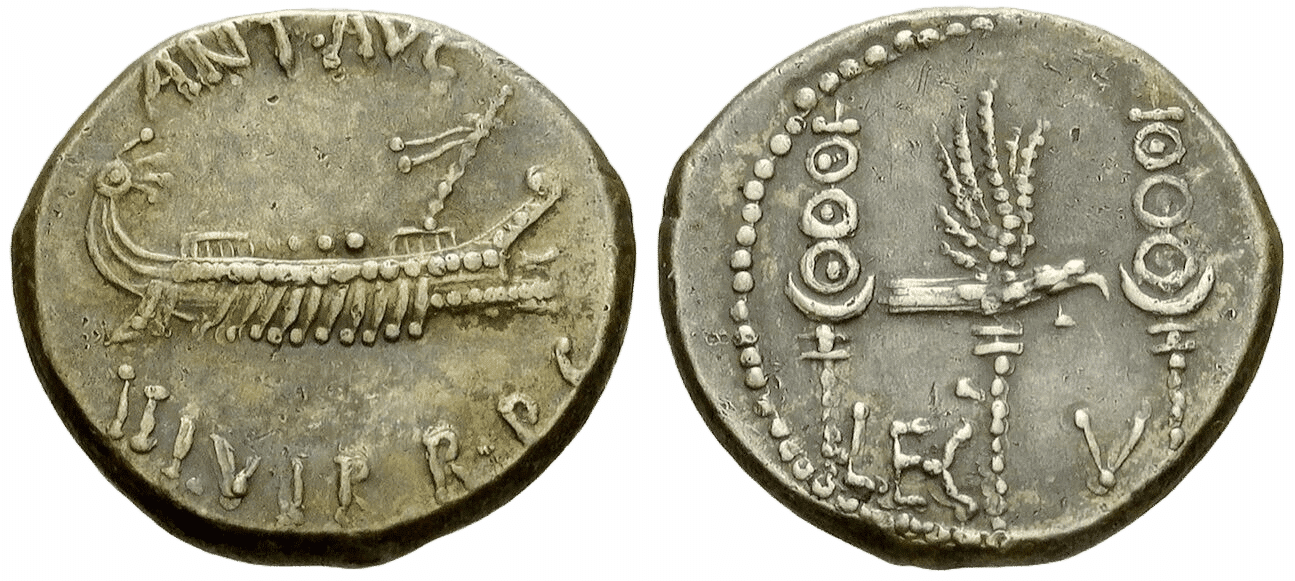
The Mark Antony Legionary Denarius (Crawford 544/18) is one of the most famous “military” coins in history. Struck in 32–31 BC, these coins were minted not in a city, but...
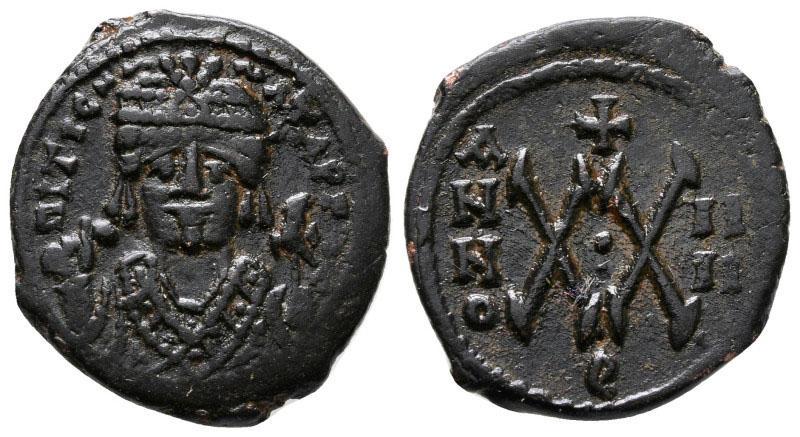
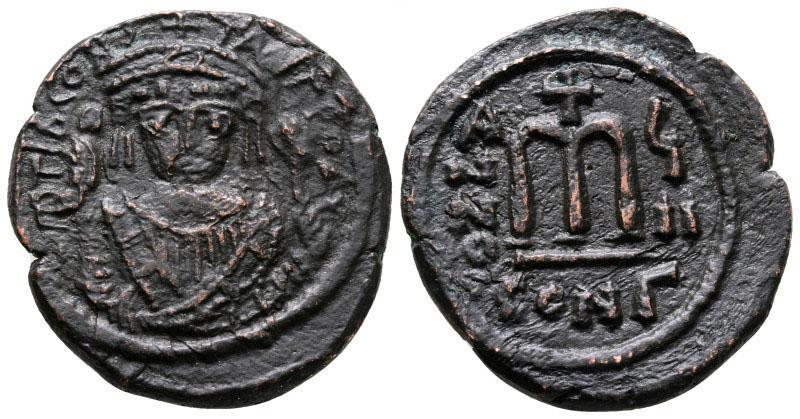
The Maurice Tiberius Half Follis (Sear 534) is a captivating bronze relic from a turning point in Byzantine history. Struck in AD 585–586, this coin is a product of Theoupolis...
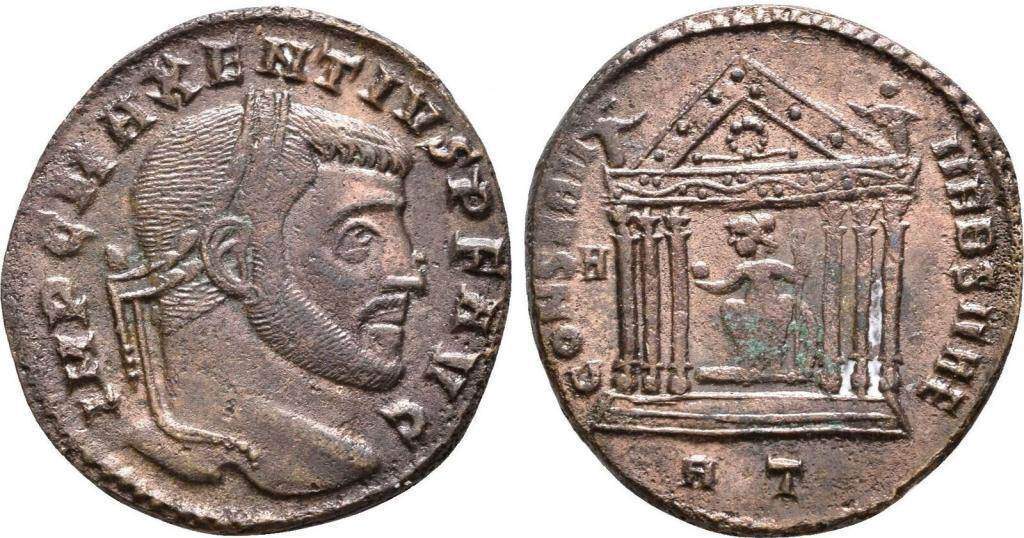
f you are looking for a coin that represents the “Last Stand” of the city of Rome as the center of the world, the Maxentius Follis (RIC VI Rome 258)...
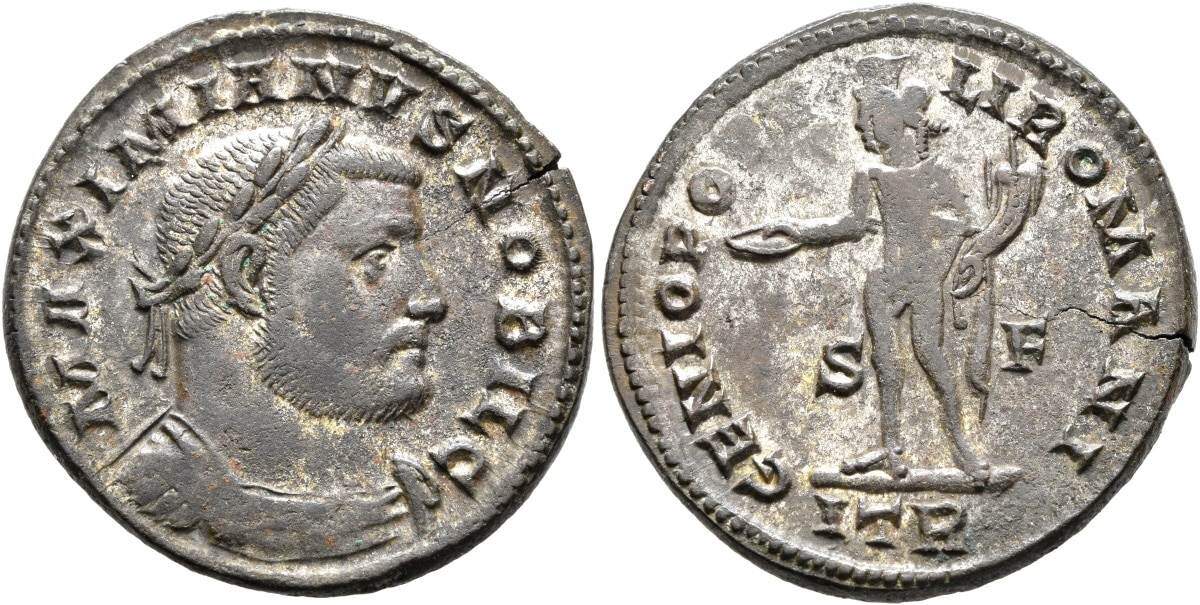
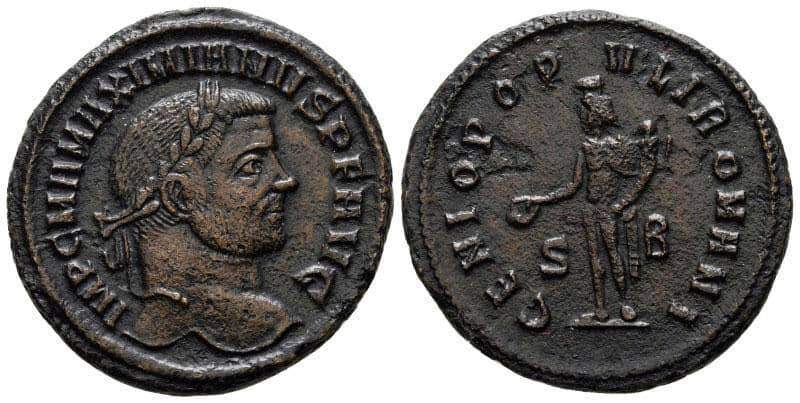
Gemini said The Maximianus Herculius “Genius of Rome” Follis (RIC VI Serdica 3b) is a heavy, bronze monument to the “Iron Age” of the Roman Tetrarchy. Struck around AD 303–304...
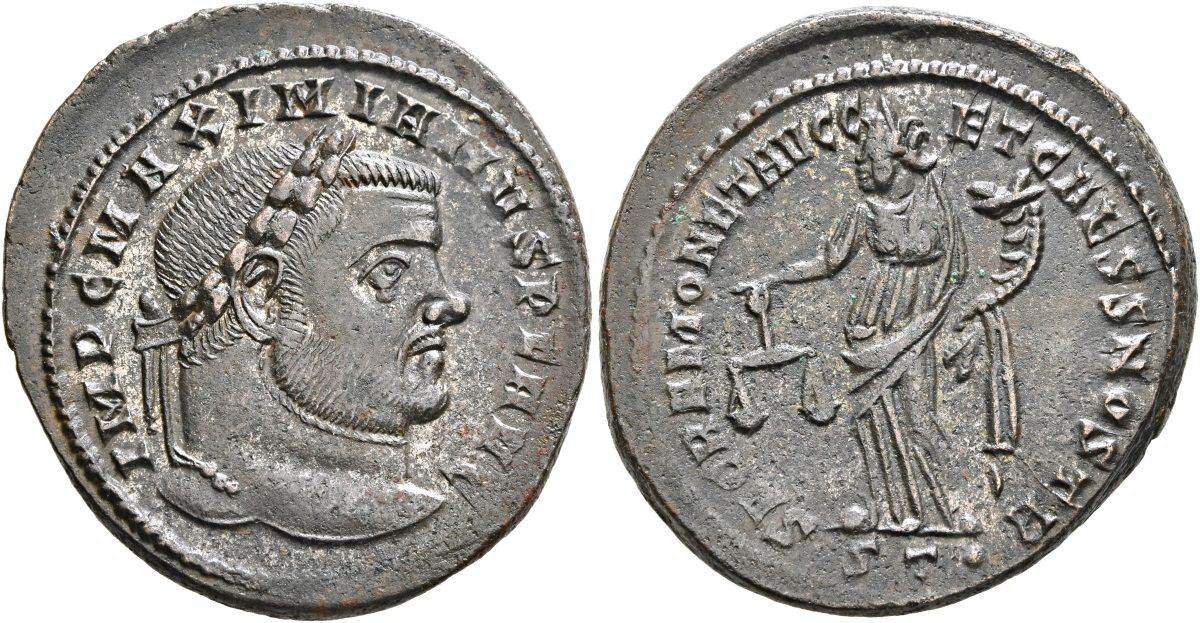
The Maximianus “Sacred Money” Follis (RIC VI Ticinum 463) is a heavy, commanding bronze struck around AD 300–303. This coin is a survivor of the Tetrarchy—the “Rule of Four”—a period...
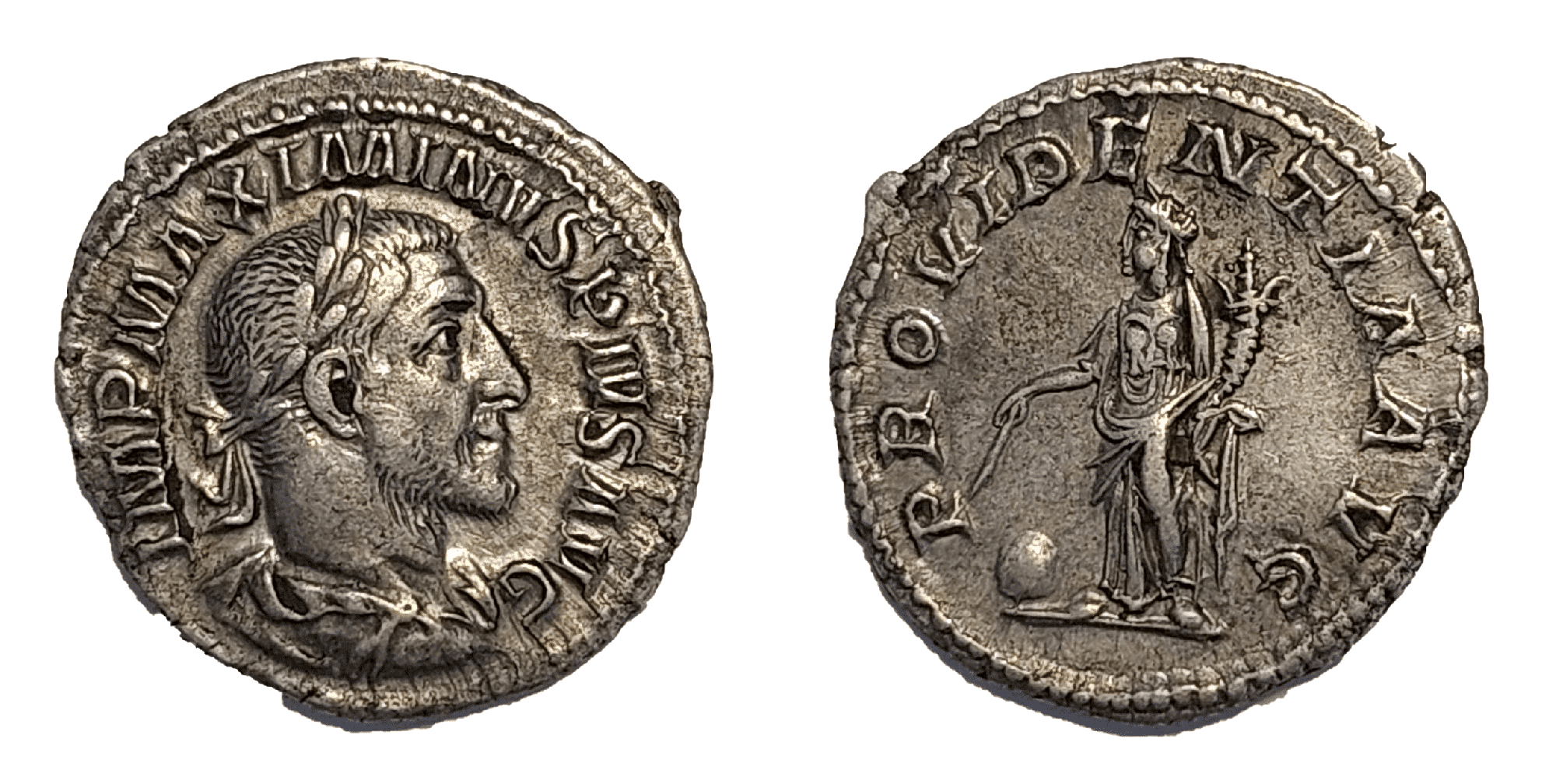
The Maximinus I “Thrax” Providentia Denarius (RIC IV 13) serves as a striking silver window into the dawn of the “Crisis of the Third Century.” Struck between AD 235–236, this...
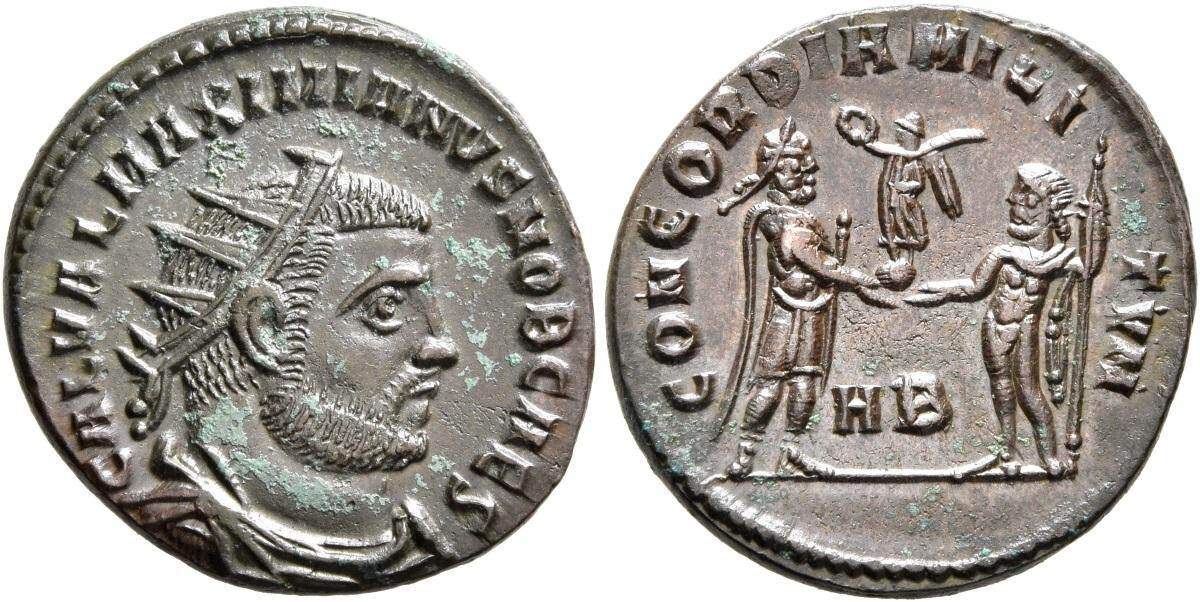
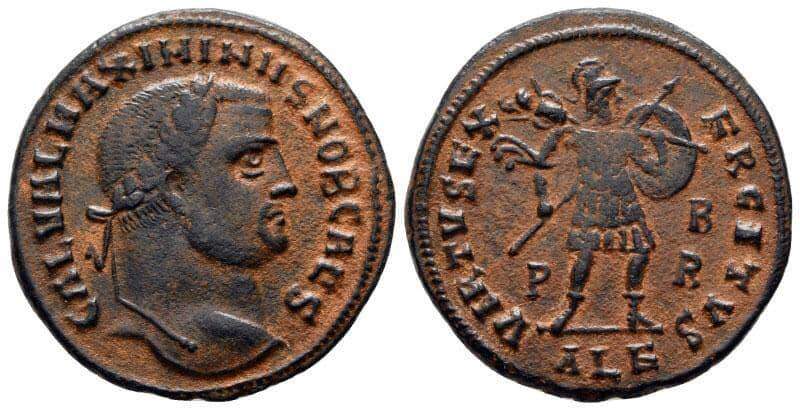
The Maximinus II Daia “Virtue of the Army” Follis (RIC VI Alexandria 83) serves as a striking bronze window into the final, defiant years of the Roman Tetrarchy. Struck around...
The Nero “Victory” As (RIC I 312) serves as a striking silver-screened window into the golden facade of an Emperor whose reign was as theatrical as it was tumultuous. Struck...
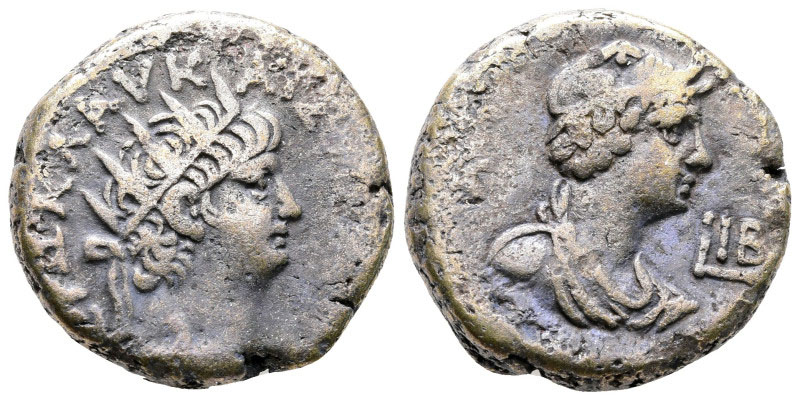
The Nero “Elephant Queen” Tetradrachm (RPC I 5289) is a heavy, evocative silver-alloy coin struck in AD 65–66 in the legendary city of Alexandria. This coin represents the exotic, high-stakes...
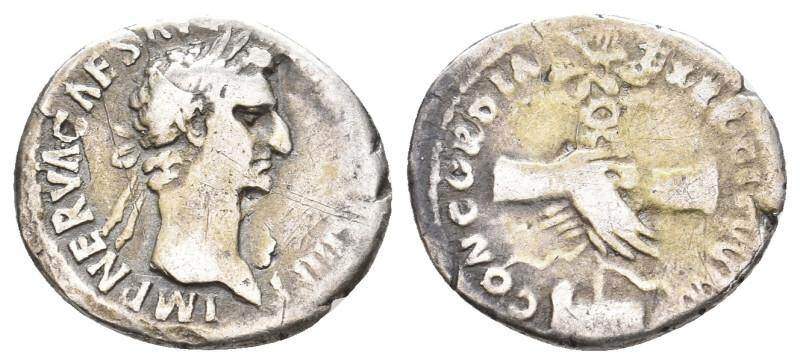
The Nerva “Concord of the Armies” Denarius (RIC II 26) serves as a striking silver window into a moment of extreme political delicacy. Struck in AD 97, this coin represents...
The Nerva “Priestly Implements” Denarius (RIC II 24) serves as a striking silver window into a moment of extreme political delicacy. Struck in AD 97, this coin represents the “Great...
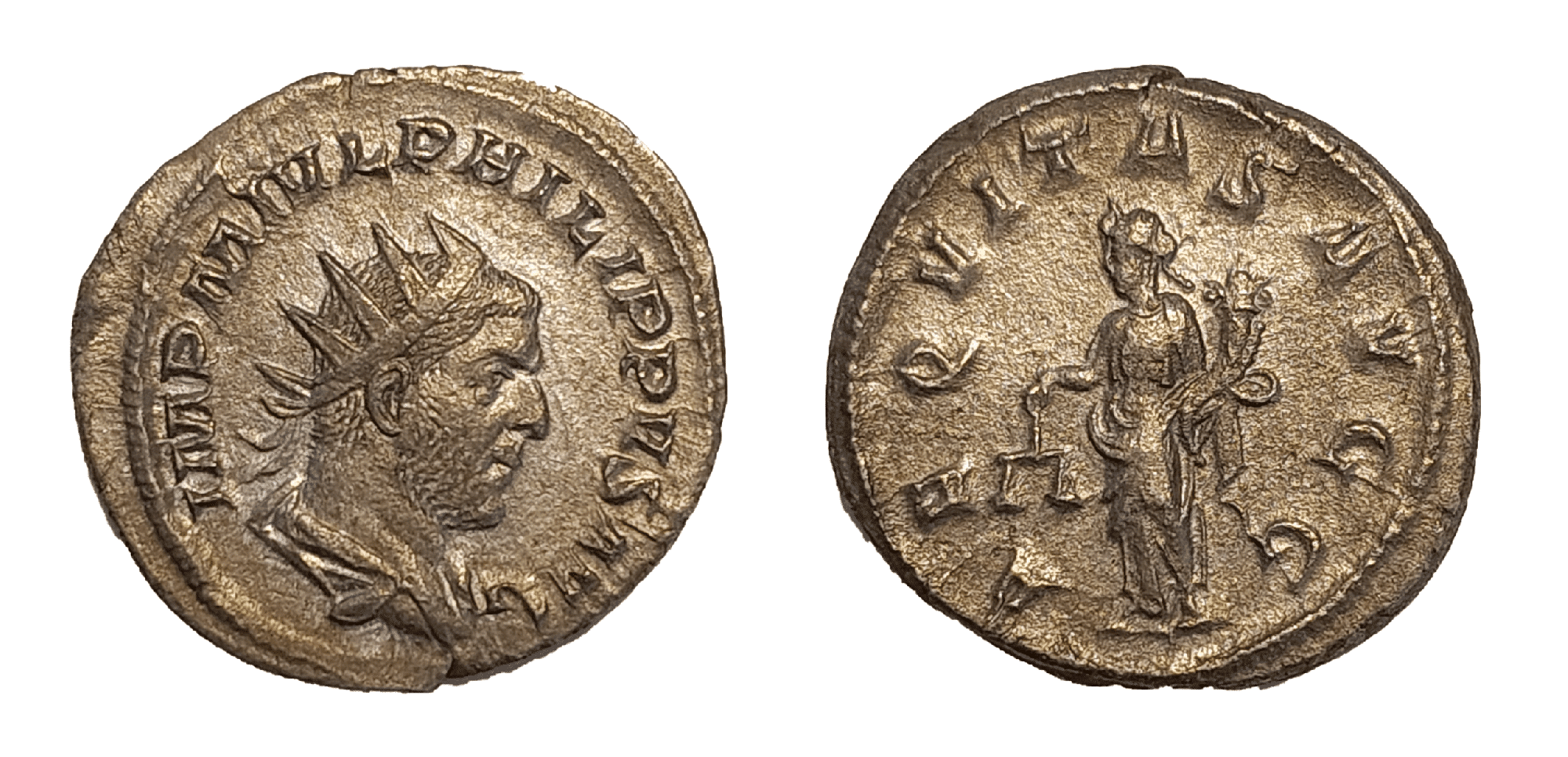
Holding the Philip I “Arab” Aequitas Antoninianus (RIC IV 57b) is like gripping a piece of a high-stakes financial gamble from the mid-3rd century. Struck around AD 244–247, this silver...
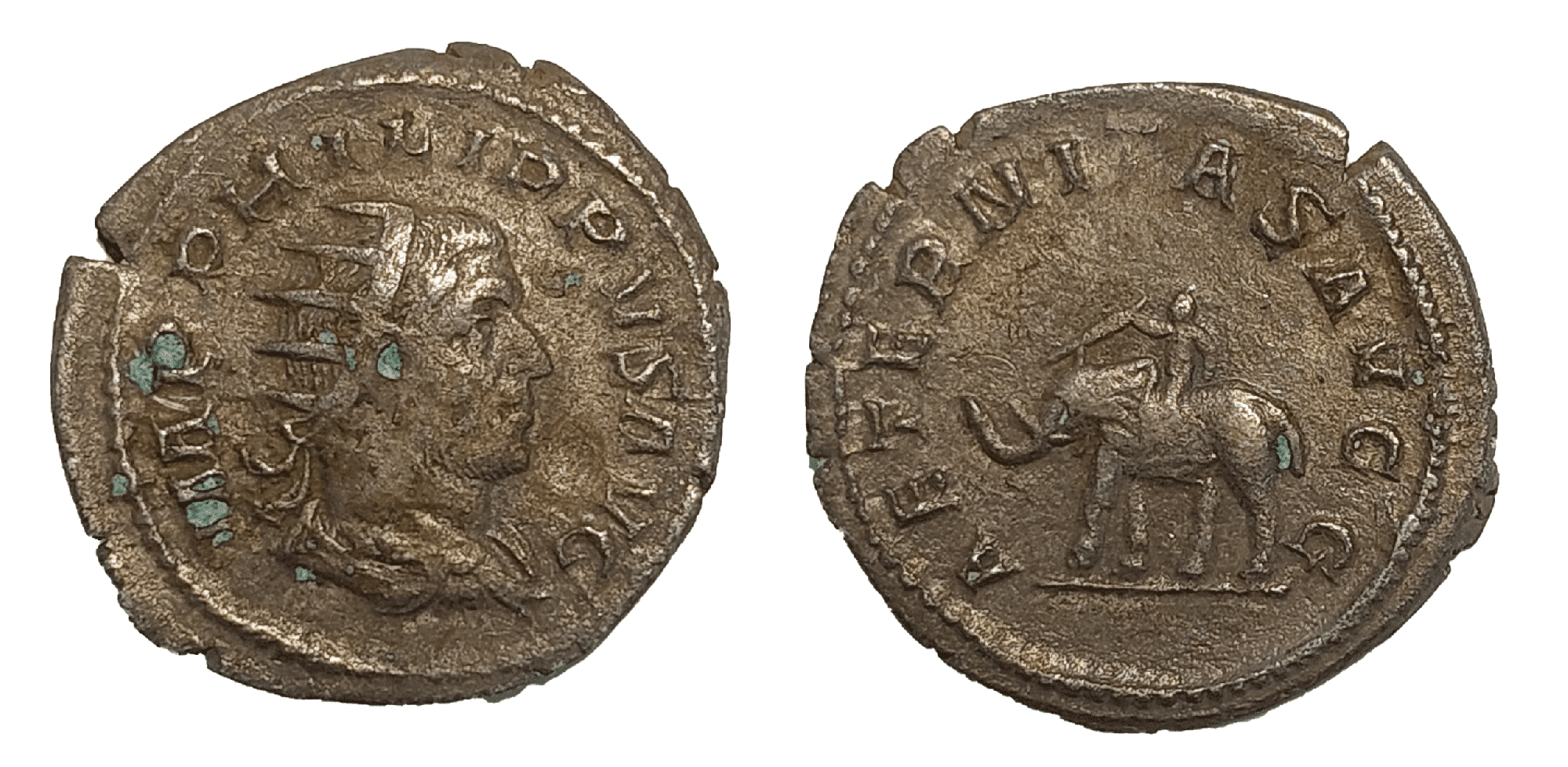
If you’ve ever wanted to hold a “ticket” to the most expensive birthday party in human history, the Philip I “Arab” Elephant Antoninianus (RIC IV 58) is a masterclass in...
The Philip I “Arab” Billon Tetradrachm (Prieur 329) is a massive, silver-washed monument to one of the most improbable rises in Roman history. Struck between AD 247–249, this coin represents...
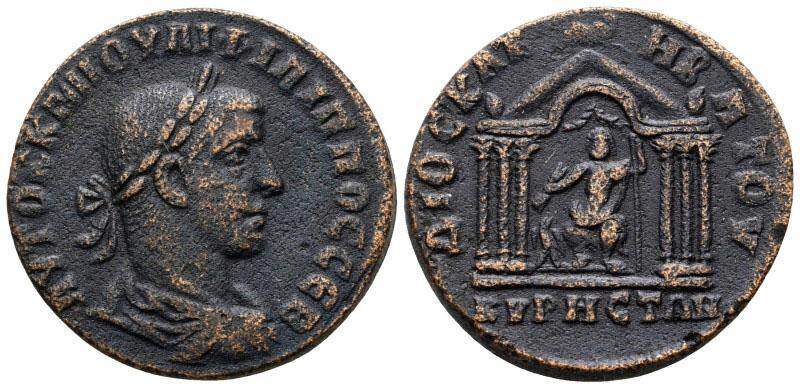
The Philip II “Temple of Zeus Kataibates” Bronze (RPC VIII 58851) is a magnificent architectural specimen from the Roman East, struck between AD 247–249. Minted in Cyrrhus (Cyrrhestica, in modern-day Syria),...
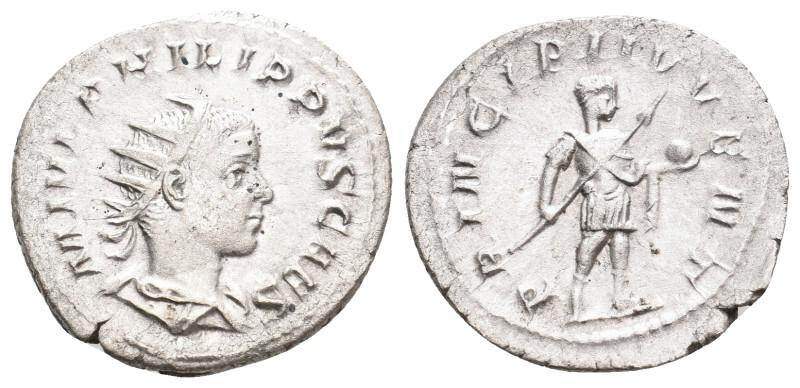
The Philip II “Prince of Youth” Antoninianus (RIC IV 216) serves as a poignant silver-washed window into the dynastic ambitions of a father and the tragic brevity of a son’s...
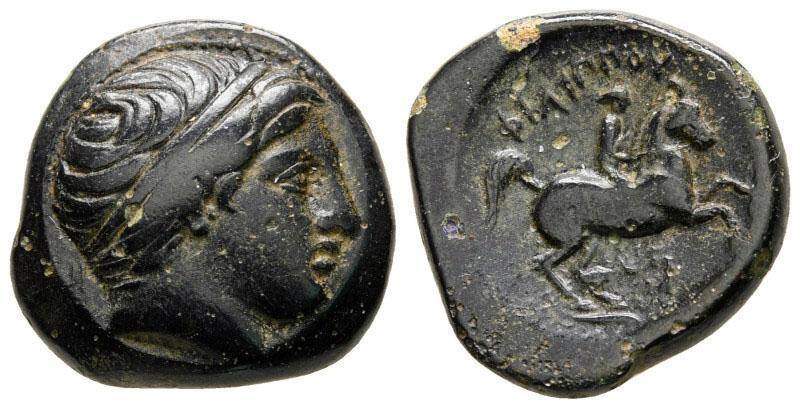
The Philip II “Olympic Youth” Bronze (SNG Copenhagen 585) is a masterclass in ancient political branding. Struck between 359–336 BC at the royal Macedonian capital of Pella, this coin represents...
The Philip III Arrhidaios “Royal Shadow” Drachm (Price P56) is a poignant silver artifact from the chaotic decade following the death of Alexander the Great. Struck between 323–319 BC at...
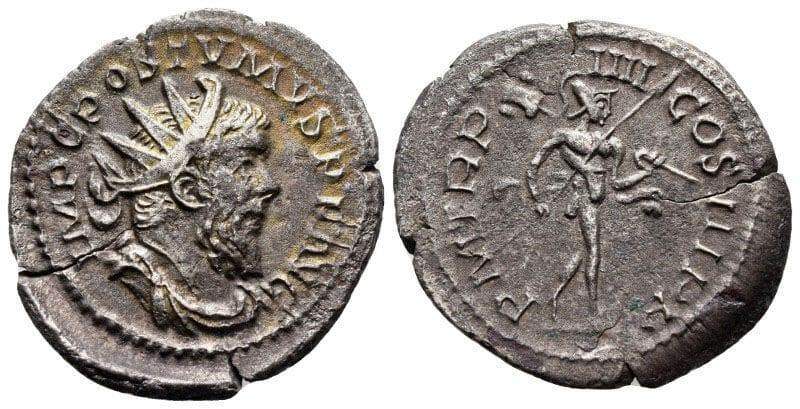
The Postumus “Mars the Victorious” Antoninianus (RIC V 57) is a defiant silver-washed treasure from the birth of the Gallic Empire. Struck around AD 262 at the capital of Treveri...
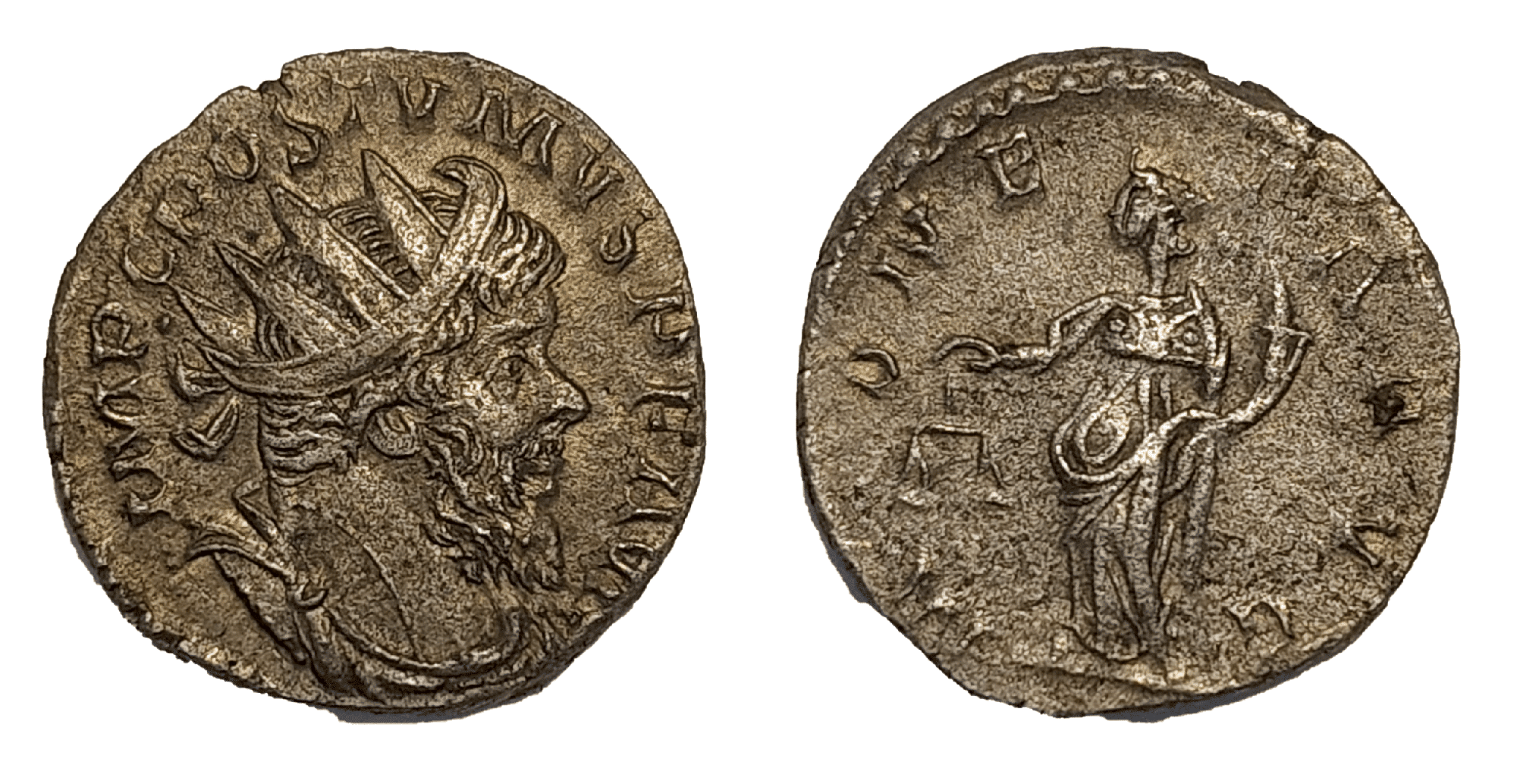
The Postumus “Moneta” Antoninianus (RIC V 75) serves as a striking silver-washed window into one of the most successful “breakaway” states in Roman history. Struck between AD 260–269, this piece...
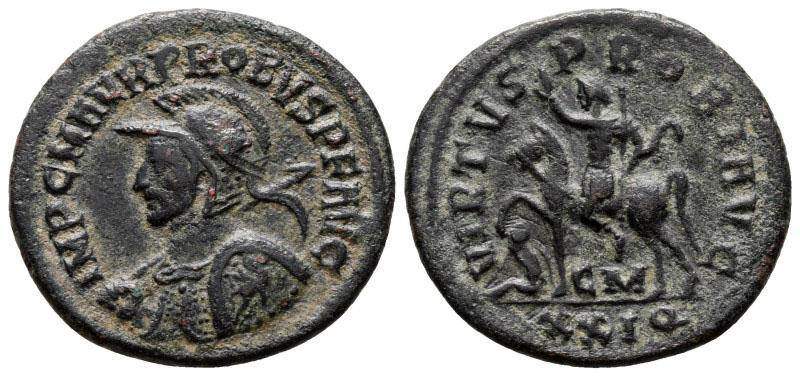
The Probus “Virtue of the Emperor” Antoninianus (RIC V Probus 888) is a high-octane silver-washed window into the “Restoration of the World.” Struck between AD 276–282 in Cyzicus (on the...
If you are searching for a coin that represents the “Unconquered General” at the height of his power, the Probus “Quadriga” Antoninianus (RIC V.2 203) is a masterclass in aggressive,...
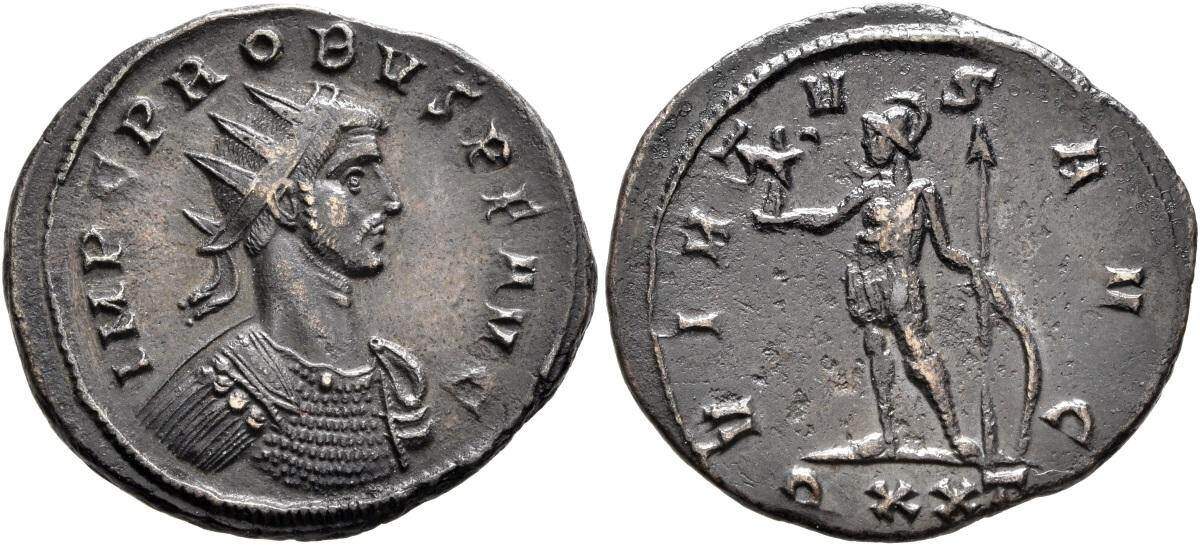
The Probus “Virtue of the Emperor” Antoninianus (RIC V 436) is a striking silver-washed window into the “Restoration of the World.” Struck between AD 276–282 in Ticinum (modern Pavia, Italy),...
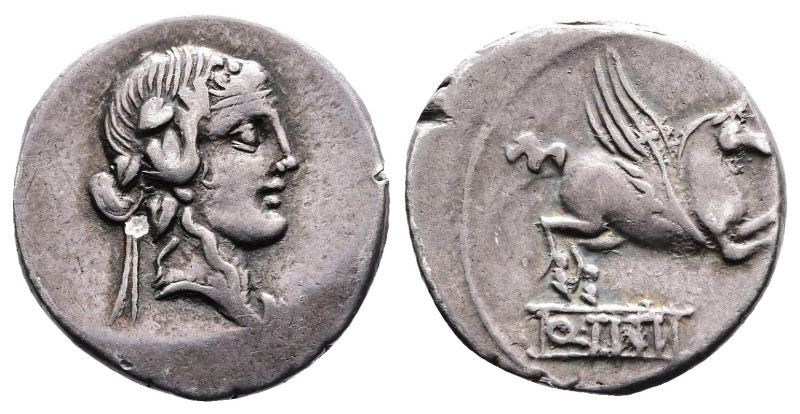
The Q. Titius Denarius (Crawford 341/2), struck in 90 BC, is a masterpiece of Late Republican symbolism. While the previous issue (341/1) featured a more archaic, bearded deity, this specific...
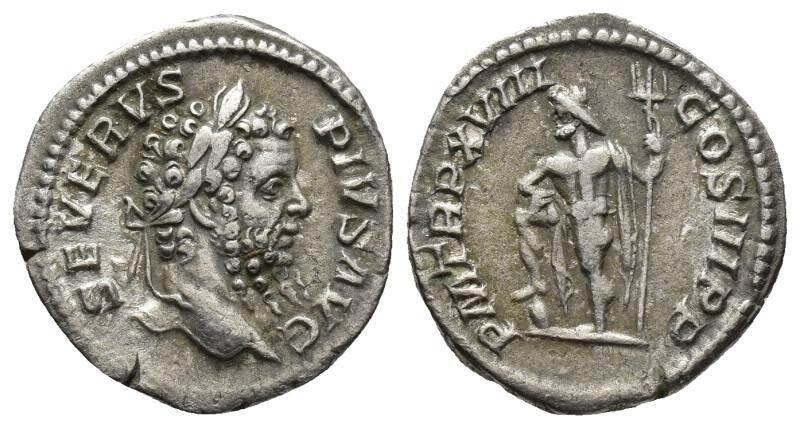
The Septimius Severus “Neptune the Conqueror” Denarius (RIC IV 228) is a striking silver relic from the final years of one of Rome’s most formidable military dynasties. Struck in AD...
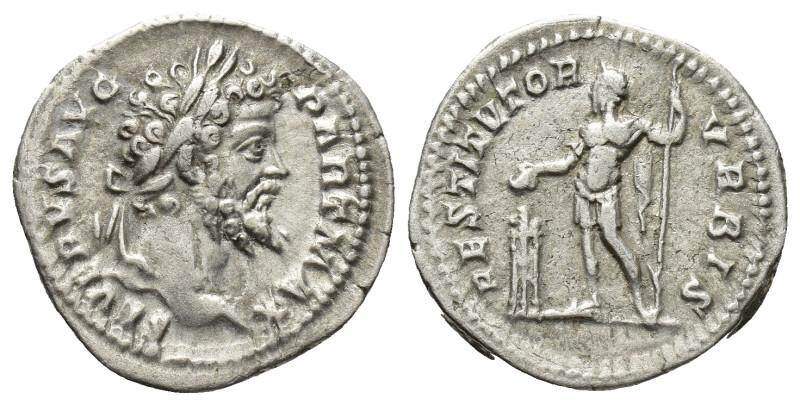
The Septimius Severus “Restorer of the City” Denarius (RIC IV 168a) is a fascinating silver manifesto struck in AD 201. This coin isn’t just a piece of currency; it is...
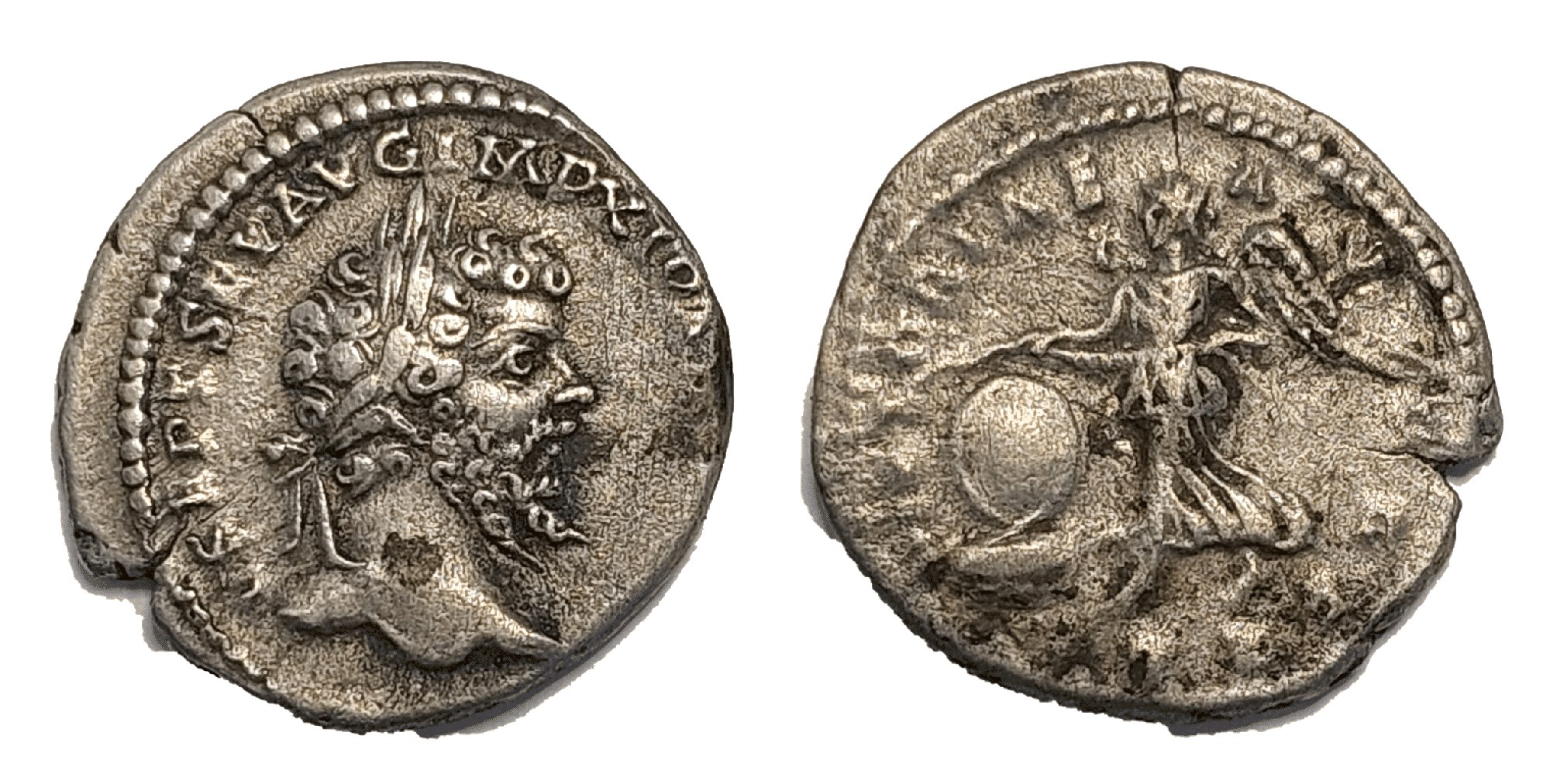
Holding the Septimius Severus “Victory” Denarius (RIC IV 144b / 516) is like gripping a silver proclamation of a new world order. Struck in AD 198, this coin is a...
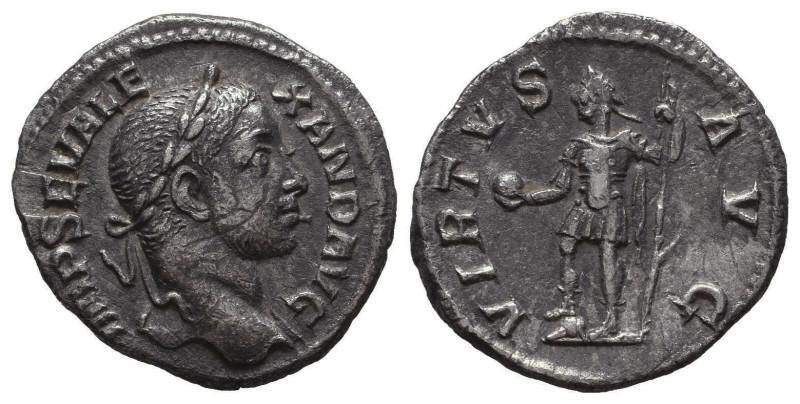
The Scholarly Soldier: Severus Alexander and the Virtus of Peace The Severus Alexander “Virtus” Denarius (RIC IV 226) is a fascinating study in imperial branding, struck between AD 231–235. This...
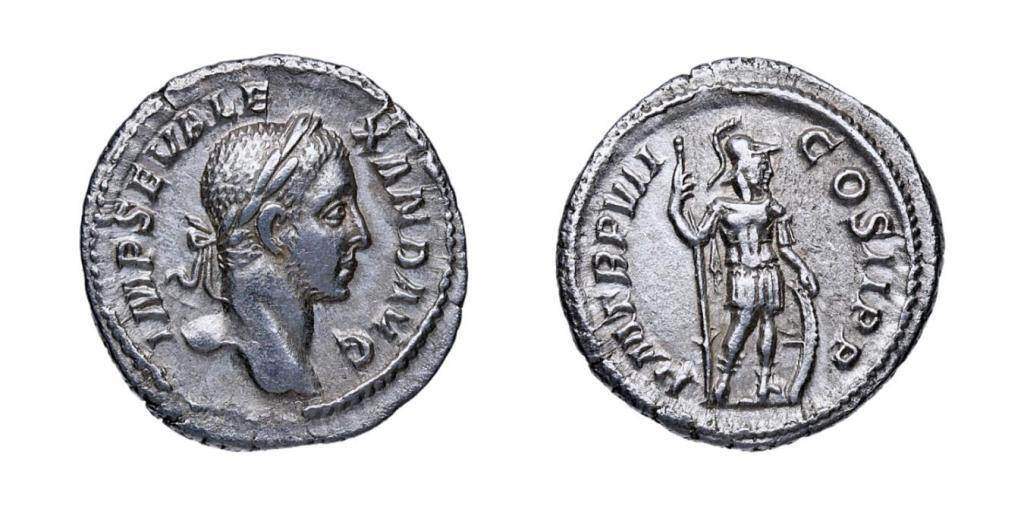
If you are looking for a coin that captures the “Last Sigh” of the high Roman Empire before it tumbled into the chaos of the 3rd-century crisis, the Severus Alexander...
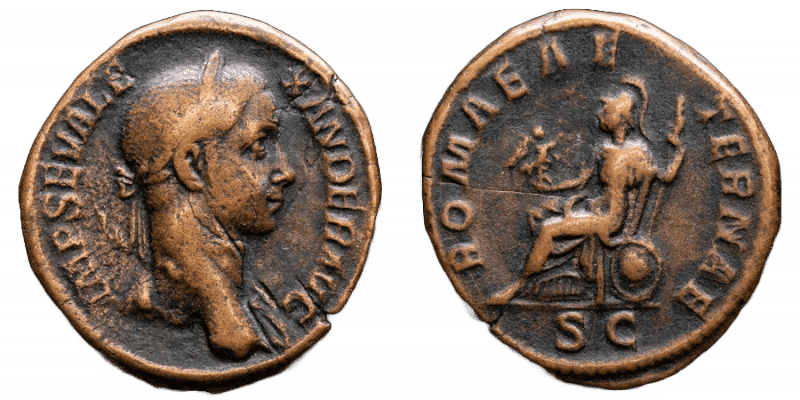
The Severus Alexander “Eternal Rome” Sestertius (RIC IV 602) is a massive, storied bronze issued between AD 231–235. This coin represents the “Indian Summer” of the Pax Romana—a final, dignified...
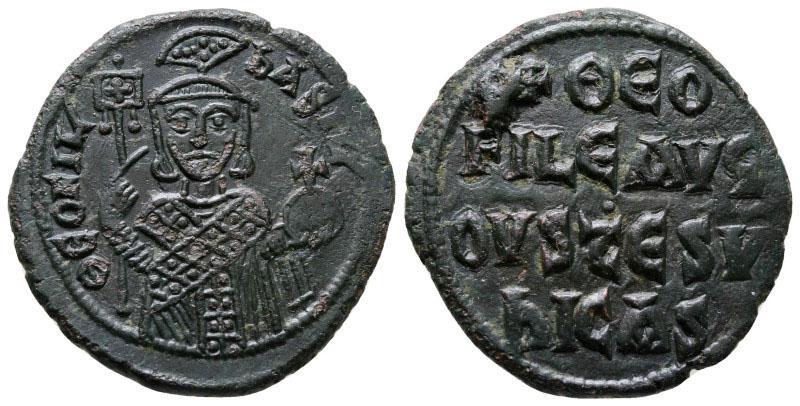
he Theophilus Follis (Sear 1667) is a striking bronze monument from the mid-9th century. Struck between AD 829–842 in Constantinople, this coin represents the final, fiery chapter of the Second...
The Tiberius II Constantine Follis (Sear 430) is a heavy, majestic bronze from the heart of the Byzantine “Recovery.” Struck in AD 580–581, this coin represents a short but incredibly...
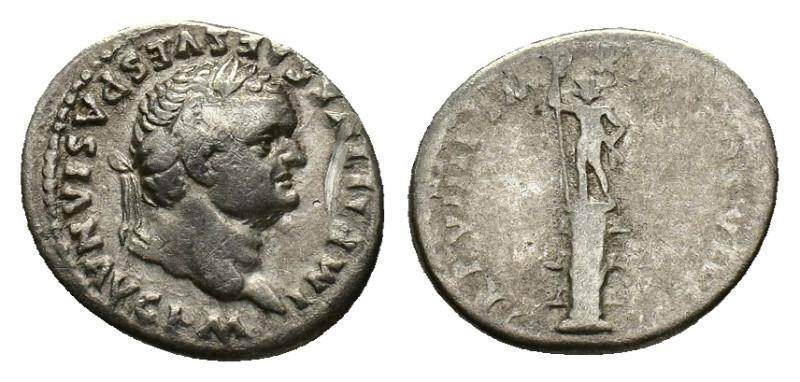
The Titus “Rostral Column” Denarius (RIC II 16a) serves as a striking silver window into the dawn of a new, post-civil war era. Struck in AD 79, shortly after Titus...
The Trajan “Felicitas” Denarius (RIC II 121) serves as a striking silver window into the absolute zenith of the Roman Empire. Struck between AD 103–111, this coin was minted during...
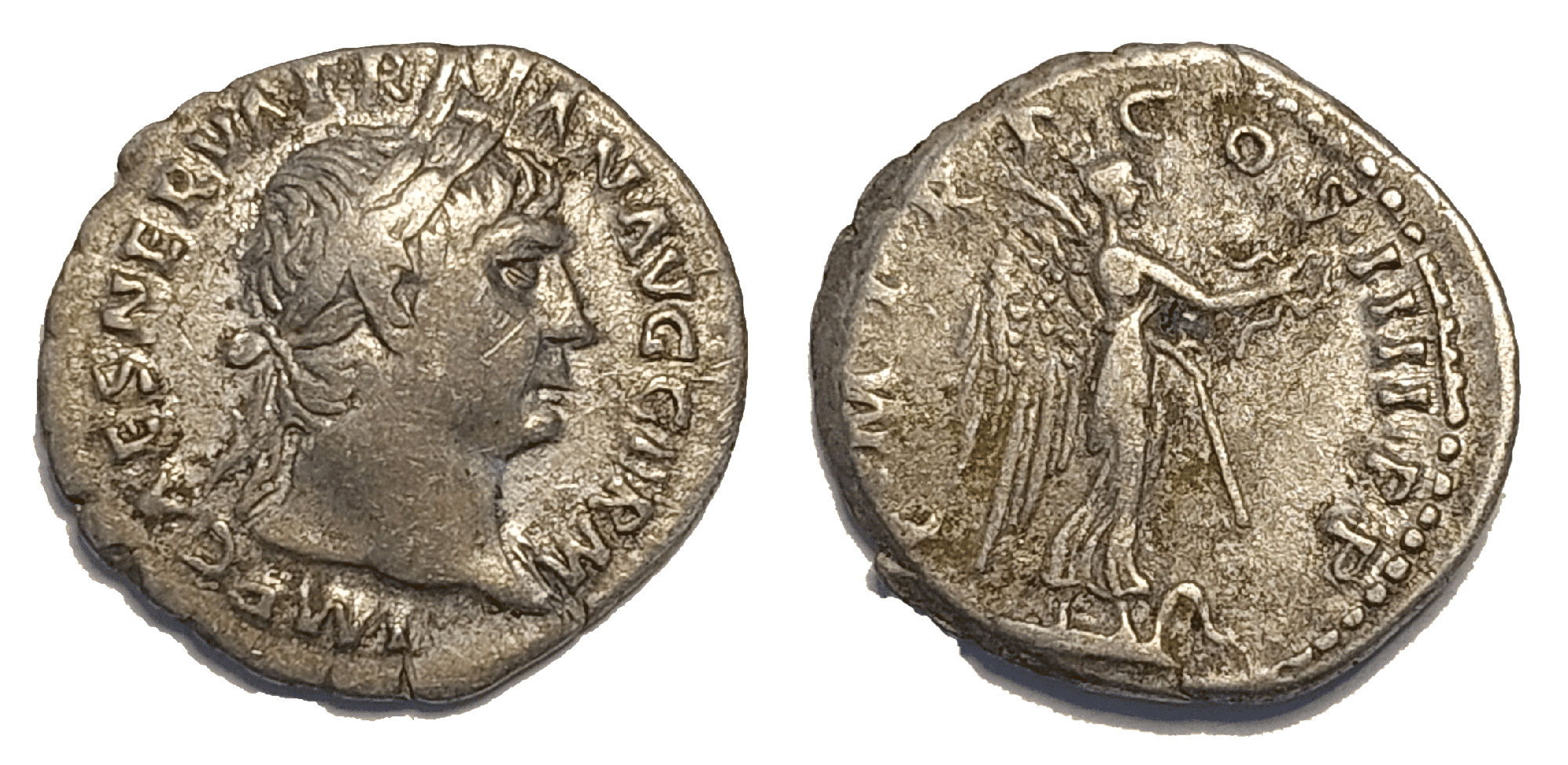
Holding the Trajan “Victory on Prow” Denarius (RIC II 59) is like gripping a silver fragment of Rome’s “Optimis” era, the moment the Empire reached its absolute peak of confidence...
If you are searching for a coin that represents the “Last Stand of the Danube,” the Trajan Decius “Dacia” Antoninianus (RIC IV 12b) is a masterclass in defiant, regional propaganda....
The Trajan Decius “Imperial Arrival” Antoninianus (RIC IV 11) serves as a striking silver-washed window into a moment of hard-won, yet fleeting, Roman stability. Struck in AD 249, this coin...
If you are searching for a coin that represents “Defiance in the Face of Disaster,” the Trebonianus Gallus Antoninianus (RIC IV 84) is a masterclass in desperate, martial propaganda. Struck...
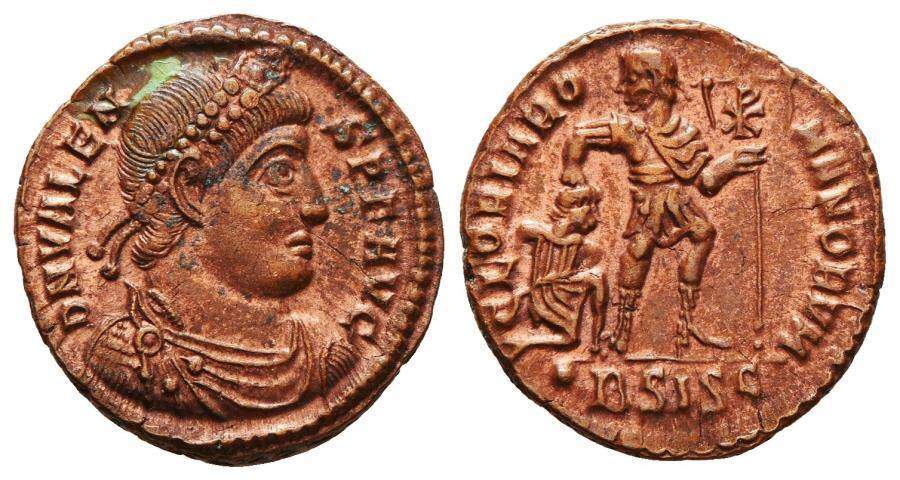
If you are searching for a coin that represents the “Iron Fist of the Frontier” during Rome’s twilight, the Valentinian I “Captive” Follis (RIC IX Siscia 5a) is a masterclass...
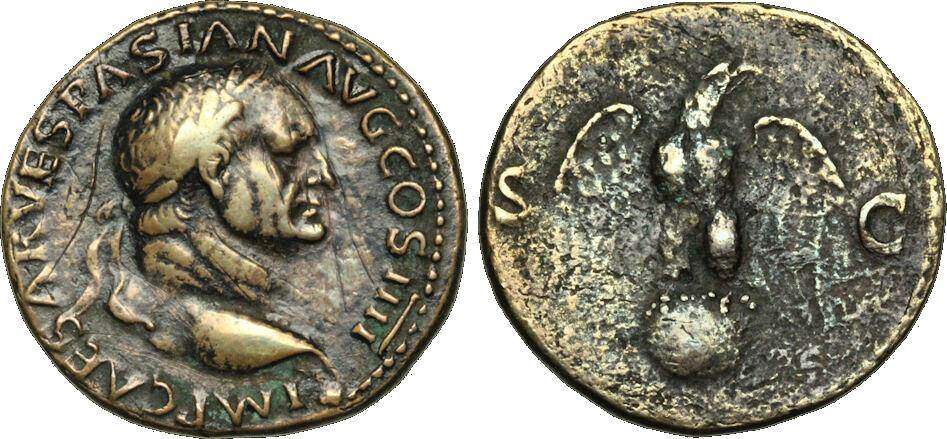
If you are looking for a coin that represents the “Iron Foundation” of the Flavian dynasty, the Vespasian “Eagle on Globe” As (RIC II.1 482 / 1202) is a powerful...
If you are searching for a coin that represents the “Healing of Rome” after its most chaotic year, the Vespasian “Oxen” Denarius (RIC II.1 944) is a masterclass in quiet,...
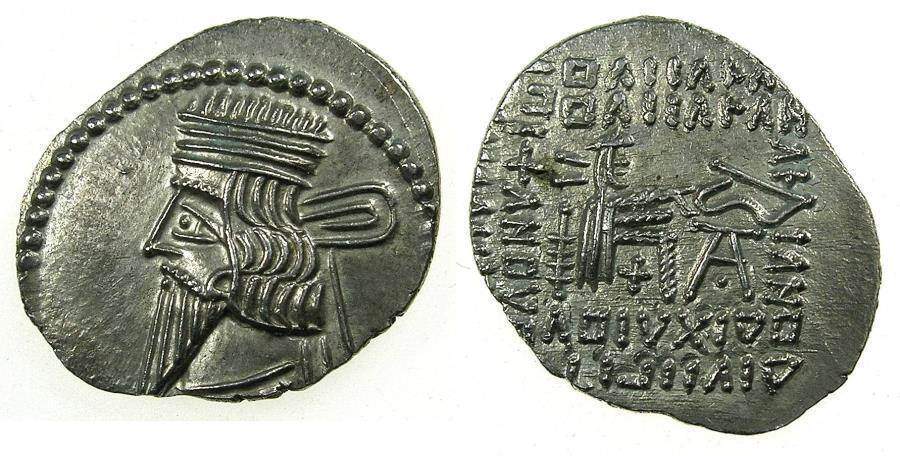
The Vologases III “Silk Road Sovereign” Drachm (Sellwood 78.2) is a stunning silver artifact from the Parthian Empire, struck between AD 105–147. This coin represents a fascinating era of “Great...
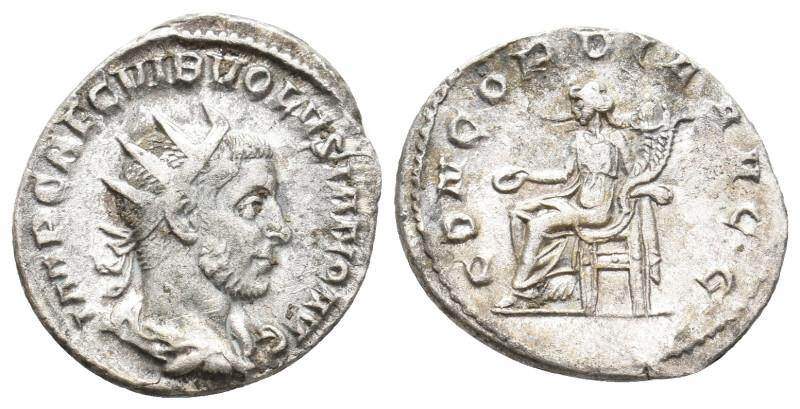
The Volusian “Concord of the Emperors” Antoninianus (RIC IV 168) serves as a poignant silver-washed window into a rare moment of familial unity during the chaotic “Crisis of the Third...