
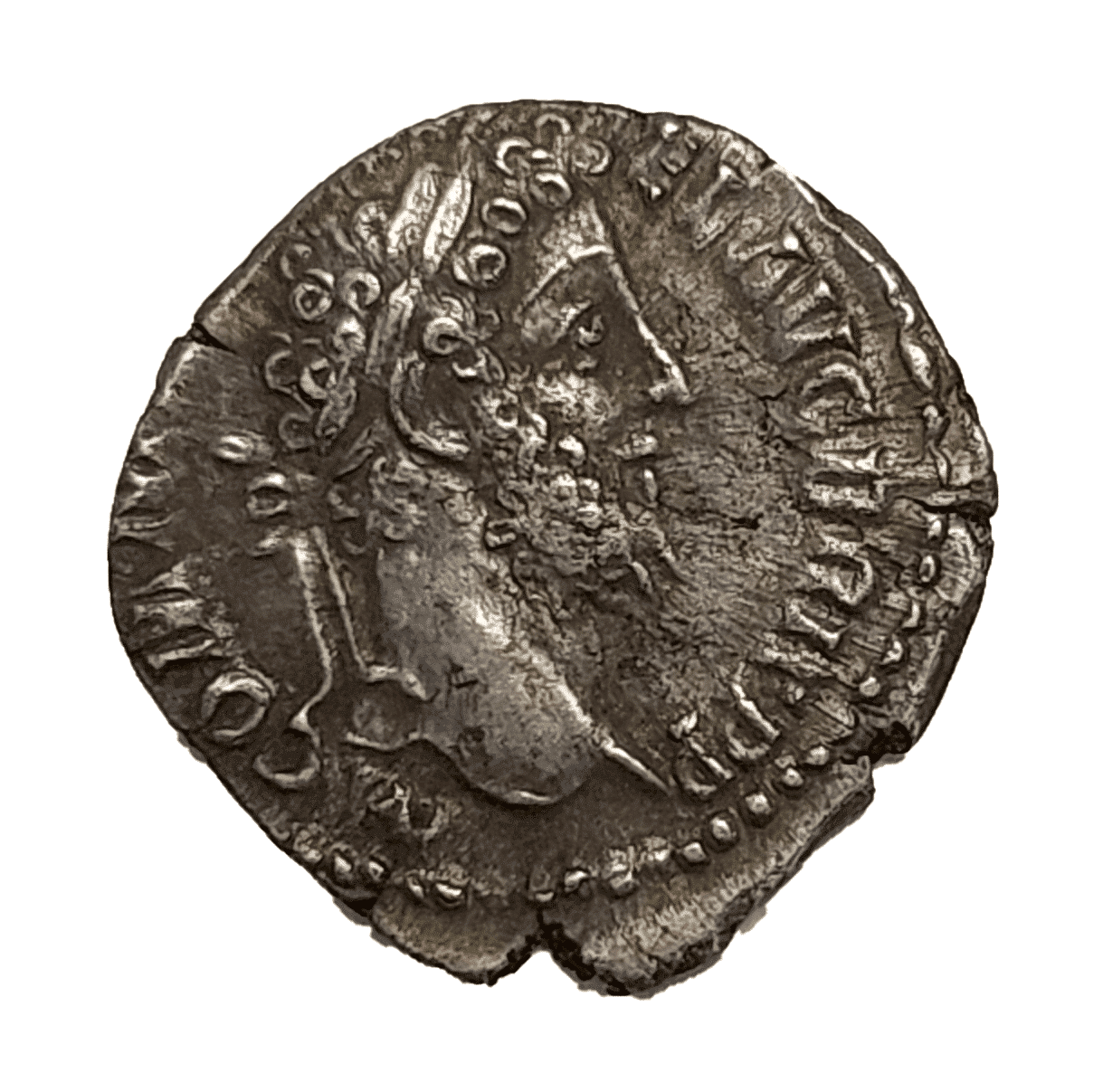
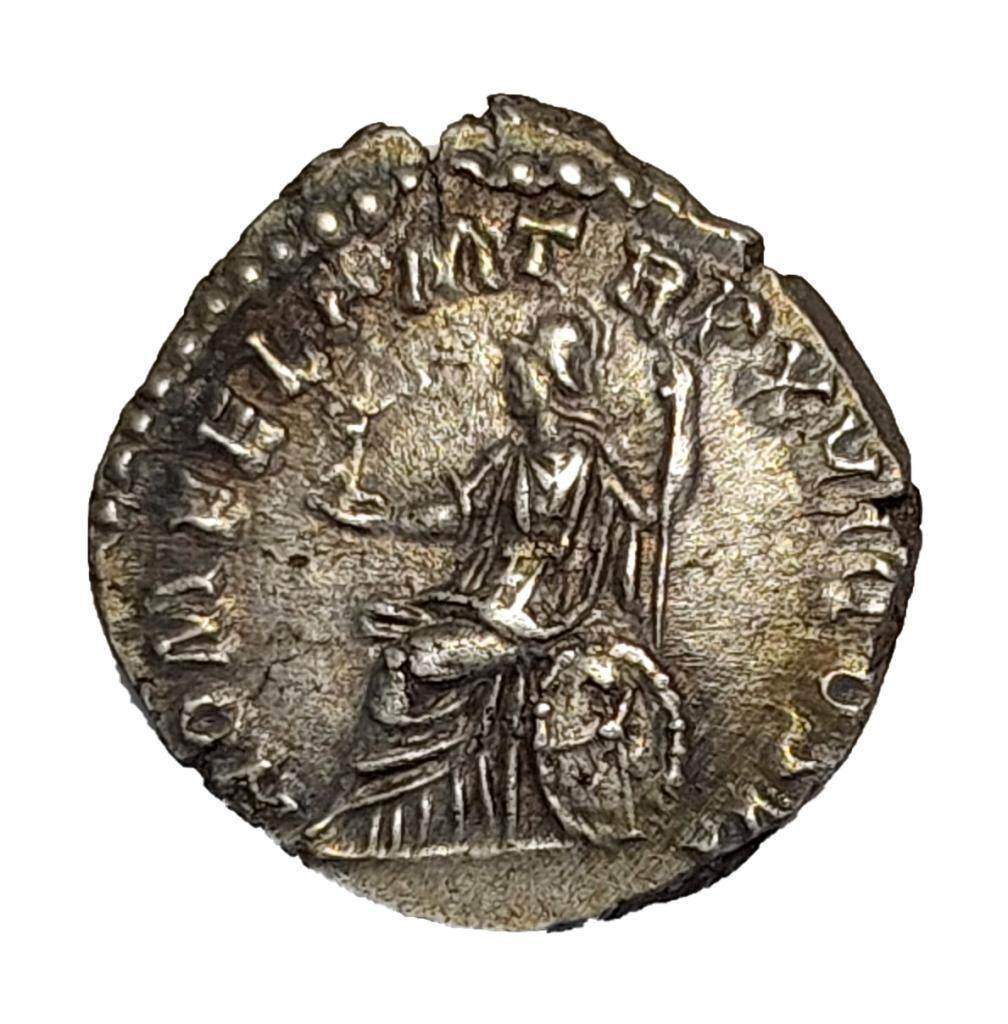
If you are looking for the “Soul of a Coin” that captures the exact moment the Roman Empire began its long, slow slide from glory into chaos, the Commodus Denarius (RIC 224) is your piece. Struck in AD 191, this silver coin represents the “gladiator-emperor” at the height of his megalomania, just one year before his infamous assassination.
At Numiscurio, we often say that a coin is a mirror of its time. This denarius reflects a Rome that was trading its stoic philosophy for the bloody spectacle of the arena.
1. The Historical Context: The End of the Golden Age
Commodus was the “unlucky” son of the great philosopher-emperor Marcus Aurelius. While his father spent his life defending the borders and writing about virtue, Commodus spent his reign renaming the months of the year after himself and fighting as a gladiator in the Colosseum.
By AD 191, the year this coin was struck, Commodus had abandoned all pretense of traditional Roman leadership. He believed he was the reincarnation of Hercules. This denarius was minted to pay the very Praetorian Guards who would eventually tire of his antics and plot his downfall.
2. The Reverse: Roma Aeterna (Eternal Rome)
The reverse of RIC 224 features Roma, the personification of the city, seated left on a high-backed throne. She holds Victoria (Victory) in her right hand and a scepter in her left, with a shield resting by her side.
- The Irony: The legend
ROMAE AETERNAE(To Eternal Rome) was a standard piece of propaganda. In AD 191, Commodus was actually trying to rename Rome “Colonia Lucia Annia Commodiana.” By placing “Eternal Rome” on the coin, the mint was desperately trying to project stability to a public that knew the Emperor was increasingly unstable. - The Victory: The small Victory in Roma’s hand symbolized the Emperor’s “conquests”—which, by this point, mostly consisted of killing defenseless animals and tethered “barbarians” in the arena.
3. The Obverse: The Bearded Autocrat
The obverse features the laureate head of Commodus with a thick, luxuriant beard.
- The Style: By this period, the “Antonine” style of portraiture reached its peak. The hair and beard are deeply carved with curls, a technique that allowed the silver to catch the light beautifully.
- The Legend:
M COMM ANT P FEL AVG BRIT.- BRIT: This honors his (mostly his generals’) victories in Britain.
- FEL: Short for Felix (The Lucky/Blessed), a title he favored over the traditional Pius.
4. Technical Details: The “Silver Crisis”
- RIC 224: Cataloged in Roman Imperial Coinage, Volume III.
- Silver Purity: Under Commodus, the silver content of the denarius began a noticeable decline, dropping to around 70%. This was the beginning of the hyperinflation that would eventually wreck the Roman economy in the 3rd century.
- The “Cabinet Tone” Factor: Because of the slightly lower silver purity, these coins often develop a very distinctive, dark “iridescent” patina over centuries in a collector’s tray.
