
Gemini said
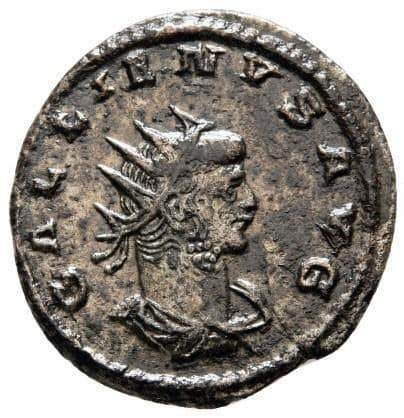
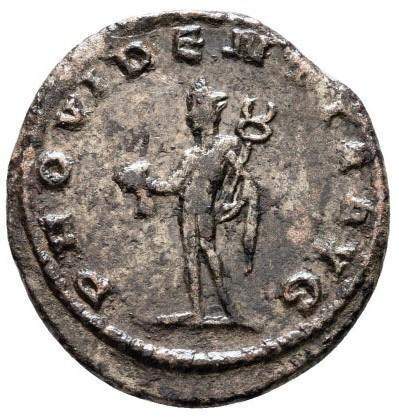
The Gallienus “Mercury of the East” Antoninianus (RIC V Gallienus 653) serves as a fascinating silver-washed window into the “Age of the Gallic Breakaway.” Struck around AD 260–268, this coin was minted in the ancient city of Antioch (in modern-day Turkey) during a period when Gallienus was desperately trying to hold together a world that was fracturing into three rival empires.
1. The Historical Context: The Gateway to the East
Antioch was the third largest city in the Roman Empire and a vital strategic hub. When this coin was struck, the East was under constant threat from the Sassanid Persians. Gallienus needed to ensure that his eastern administration remained loyal and that the trade routes—the lifeblood of the war effort—stayed open.
The PROVIDENTIA AVG (The Foresight of the Augustus) legend on the reverse usually features the personification of Providence holding a globe. However, this specific Antioch issue swaps her for Mercury. It was a piece of high-stakes economic messaging: it told the merchants and soldiers of the East that the Emperor had the “foresight” to protect the markets and the messengers that kept Rome alive.
2. The Reverse: Mercury the Provider
The reverse features Mercury, the messenger of the gods, standing left and nude except for a cloak draped over his left arm. He holds a purse in his right hand and a caduceus in his left.
- The Purse of Profit: The purse is the most direct symbol of commerce. In a time of hyperinflation and debased currency, showing Mercury with a purse was a visual promise that the Emperor was working to restore the value of the money and the health of the economy.
- The Caduceus of Peace: The winged staff represents Mercury’s role as a negotiator and a bringer of peace. It suggested that through diplomatic “foresight,” Gallienus might find a way to navigate the chaos of the Persian frontier.
- The Legend: PROVIDENTIA AVG. This translates to “The Foresight of the Augustus,” linking the divine attributes of Mercury directly to the Emperor’s governance.
3. The Obverse: The Philosopher King
The obverse features the radiate and cuirassed bust of Gallienus, facing right.
- The Antioch Style: Notice the distinct “Eastern” style of the portrait. Mints in Antioch often depicted Gallienus with a more elongated neck and a slightly more stylized, almost “Pre-Byzantine” look compared to the Rome mint.
- The Radiate Crown: The spikes of the crown identify this as an Antoninianus. By this stage of the crisis, the “silver” was mostly a thin wash over a copper-heavy core, a reality Mercury’s “purse” was intended to mask.
- The Legend: GALLIENVS AVG.
4. Technical Details: The Antioch Workshop
- RIC V Gallienus 653: Cataloged in the fifth volume of Roman Imperial Coinage, covering the complex reign of Gallienus.
- The Mint: Struck in Antioch. You can often identify Antioch strikes by the specific treatment of the radiate crown’s ties and the thin, sharp lettering.
- The Artistic Rarity: Mercury is a relatively uncommon reverse type for Gallienus, making this a “specialist” coin for those who study the religious and economic propaganda of the mid-3rd century. Finding a specimen from Antioch with a clear “purse” and the individual wings of the caduceus is a mandatory acquisition for any Flavian or Gallienus enthusiast.
