
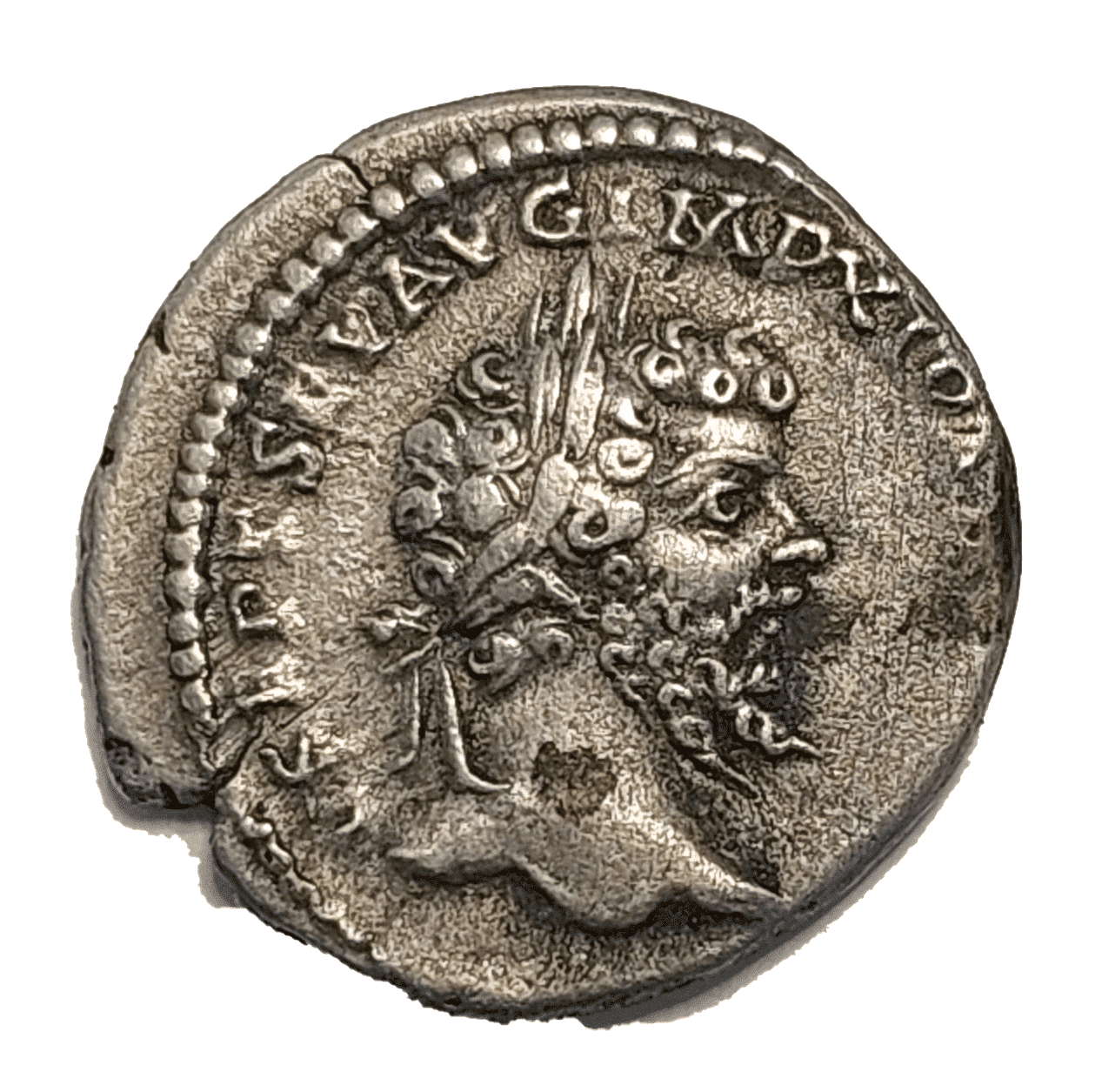
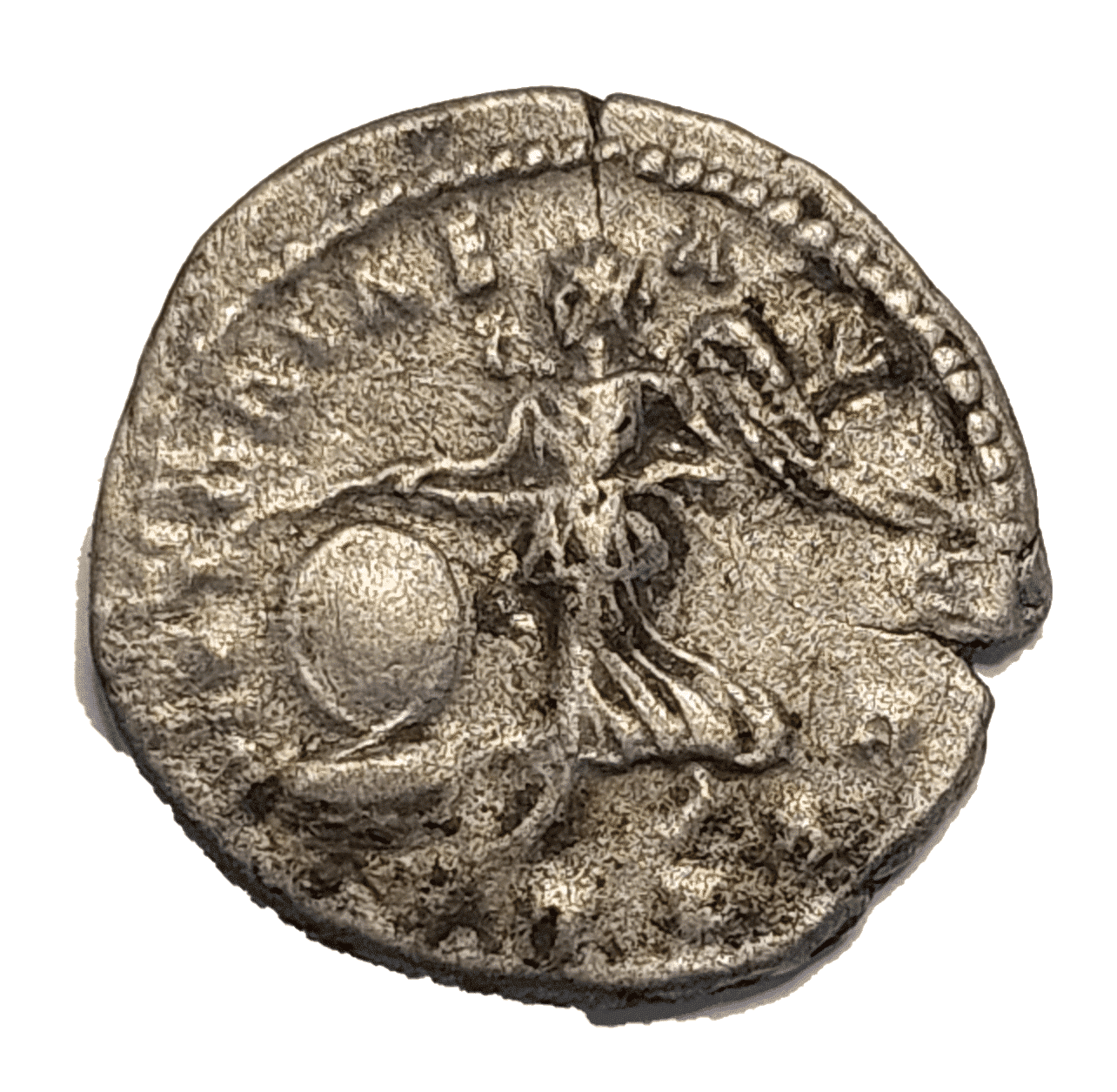
Holding the Septimius Severus “Victory” Denarius (RIC IV 144b / 516) is like gripping a silver proclamation of a new world order. Struck in AD 198, this coin is a high-speed “war report” from the Mesopotamian front, marking the exact moment the first African-born Emperor dismantled the Parthian Empire and secured his dynasty’s future with iron-clad military force.
At Numiscurio, we often say that a coin’s “soul” is found in its ability to transform a brutal desert campaign into a permanent monument of Imperial legitimacy.
1. The Historical Context: The Sacker of Ctesiphon
Septimius Severus was a pragmatist who understood one thing above all: the throne belongs to the man who holds the spears. After emerging victorious from the civil wars of the “Year of the Five Emperors,” he turned his sights East to punish the Parthians for supporting his rivals.
In AD 198, the year this coin was minted, Severus achieved what few Romans ever could—he sacked the Parthian capital of Ctesiphon, captured the royal treasury, and annexed Mesopotamia as a Roman province. This coin was the “victory press release” for that campaign. It signaled to the people in Rome that the Eastern threat was broken and that the new Severan dynasty was as invincible as the gods themselves.
Because these coins were minted to pay the very soldiers who fought these wars, they represent the beginning of a shift toward a “Soldier-First” economy. Finding a specimen where the “PART MAX” title is crisp and clear is a direct link to the man who famously advised his sons: “Enrich the soldiers, and scorn all others.”
2. The Reverse: The Winged Victory
The reverse features Victory (Victoria), winged, flying or advancing left, holding a wreath and a palm branch.
- The Divine Endorsement: In the Roman mind, Victory wasn’t just a metaphor; she was a goddess who decided the fate of nations. Her appearance here, flying with “FEL” (Felicitas/Happiness), promised that the bloody wars in the East had brought a blessed and lasting peace.
- The Wreath and Palm: The wreath represented the crowning of the victor, while the palm was the traditional symbol of triumph. It was a visual shorthand for “Mission Accomplished.”
- The Legend: VICTORIAE AVGG FEL. The “AVGG” (plural) is a critical political detail—it acknowledges both Septimius Severus and his young son, Caracalla, as co-rulers (Augusti), signaling that the dynasty was secure.
3. The Obverse: The Conqueror of the East
The obverse features the laureate head of Septimius Severus, facing right.
- The African Emperor: Severus hailed from Leptis Magna (modern-day Libya). His portraiture is rugged and mature, moving away from the soft, philosophical look of the Antonines toward a more grizzled, military realism. Notice the distinctive “corkscrew” curls of his beard, which became the iconic look of the Severan house.
- The Supreme Title: The legend includes PART MAX (Parthicus Maximus), the “Greatest Conqueror of the Parthians.” This was the ultimate boast of the era, and Severus was the first emperor to claim it with such definitive authority.
- The Legend: L SEPT SEV AVG IMP XI PART MAX. (Lucius Septimius Severus Augustus, Imperial Acclamation XI, Greatest Conqueror of the Parthians).
4. Technical Details: The Eastern Mint Craft
- RIC IV 144b (Laodicea): While the Rome mint was active, Severus operated massive “traveling” or branch mints in the East to stay close to his legions.
- The Silver Standard: Severus was a realist. To fund his massive army, he began the first major debasement of the Denarius. While this coin still rings with silver, its purity is slightly lower than those of the 2nd century—marking the start of a financial transition that would shape the rest of Roman history.
